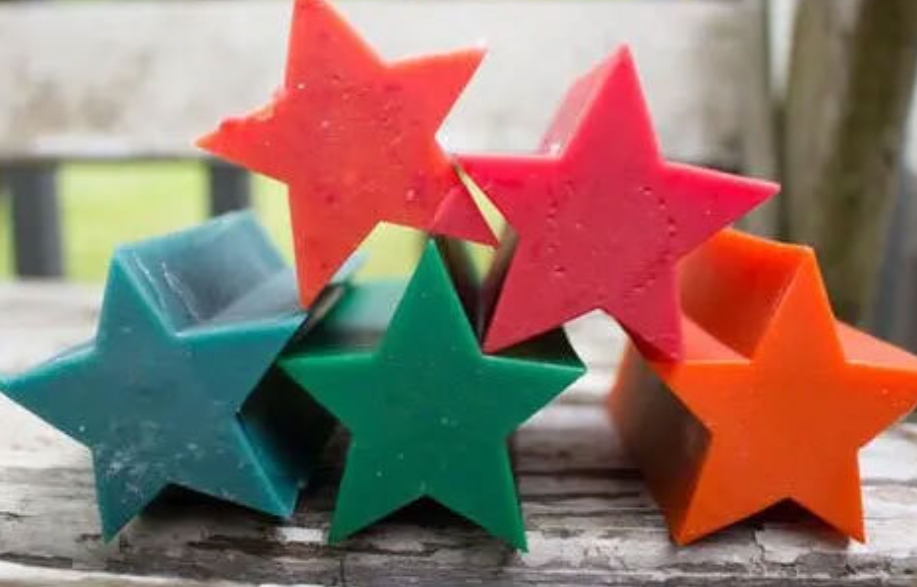
Wax Colors
Wax Colors are colourants used to add attractive shades to compatible wax formulations for candle making, decorative wax products and other industrial applications. Selection depends on wax type, colour strength and compatibility.
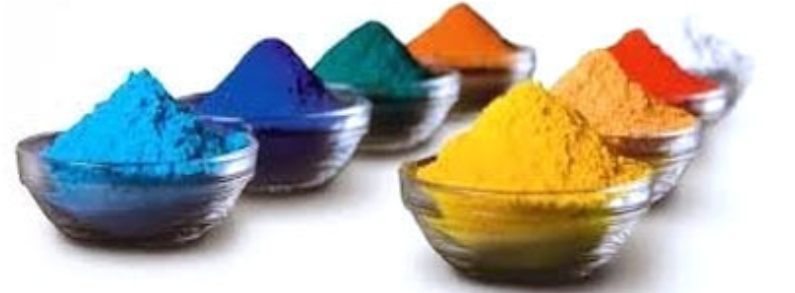
Disperse Dyes are low-water-solubility colorants commonly used for dyeing hydrophobic synthetic fibres, especially polyester. Available in a range of colours, shades and commercial grades, subject to specific product availability.
Disperse Dyes are colorants primarily used in the textile industry for colouring polyester and other suitable synthetic fibres. They are available in a wide range of colours, including yellow, orange, red, blue, navy, violet, green, brown and black, depending on the grade. Commercial variants may include high-, medium- and low-energy types, as well as different shade and application grades. Specific purity, colour strength, dispersion properties, fastness performance, particle size and application suitability vary by product and must be confirmed from the individual technical data sheet (TDS) and Certificate of Analysis (COA). Additional shades and related dye variants may be available on request, subject to actual availability and specification confirmation. Veltheron Imperial Group Private Limited.
Interested in this product?
Wax Colors are colourants used to add attractive shades to compatible wax formulations for candle making, decorative wax products and other industrial applications. Selection depends on wax type, colour strength and compatibility.
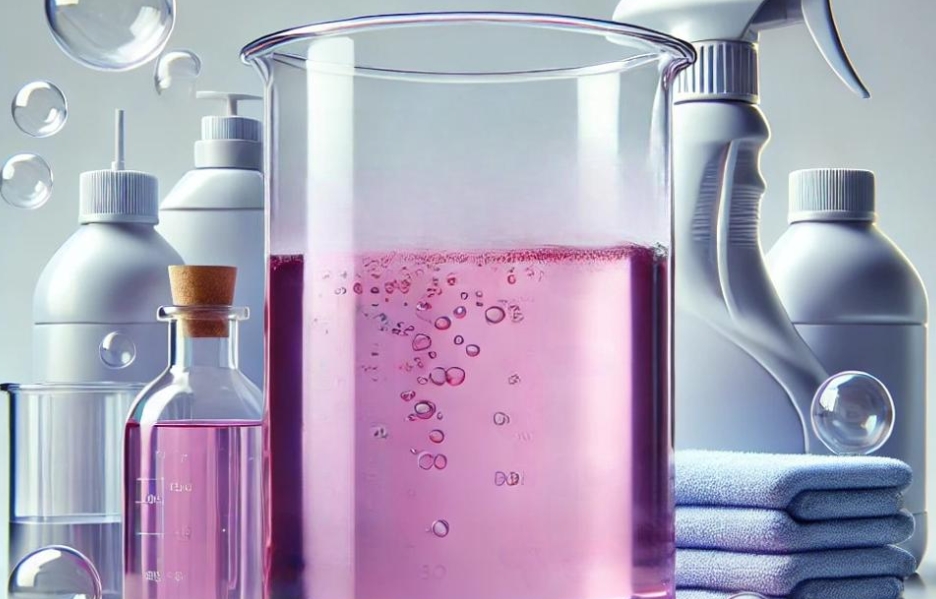
Soap Dyes are colourants used to impart attractive shades to compatible soap formulations. Available colour types depend on the soap base, processing method, solubility and intended application.
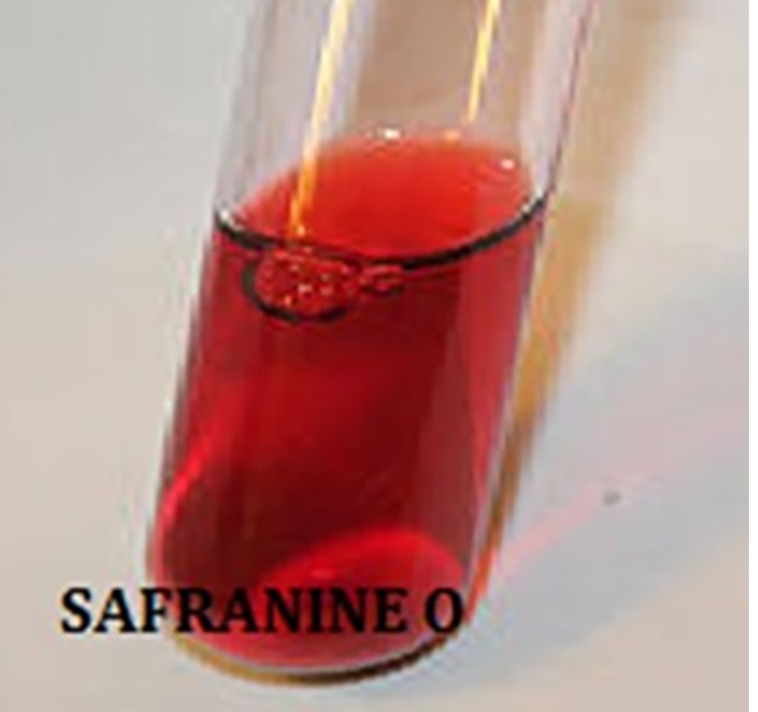
Safranin O is a synthetic red biological stain widely used in microscopy, histology, microbiology and laboratory research. Its suitability depends on the specific grade, purity and intended application.
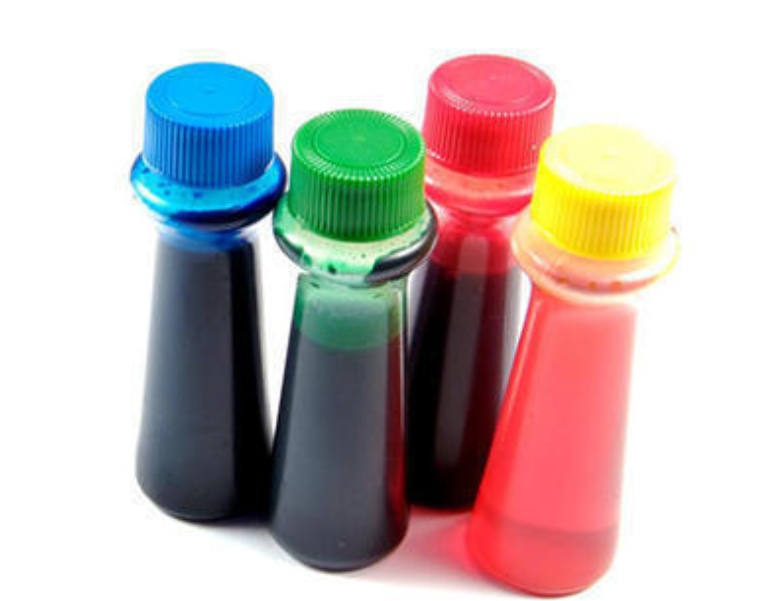
Plastic Colorants are colouring materials used to impart specific shades to plastic products and polymer-based materials. Available types may include dyes, pigments and colour concentrates, depending on the polymer, processing method and application requirements.