
Wax Colors
Wax Colors are colourants used to add attractive shades to compatible wax formulations for candle making, decorative wax products and other industrial applications. Selection depends on wax type, colour strength and compatibility.
Wax Colors are colourants used to add attractive shades to compatible wax formulations for candle making, decorative wax products and other industrial applications. Selection depends on wax type, colour strength and compatibility.
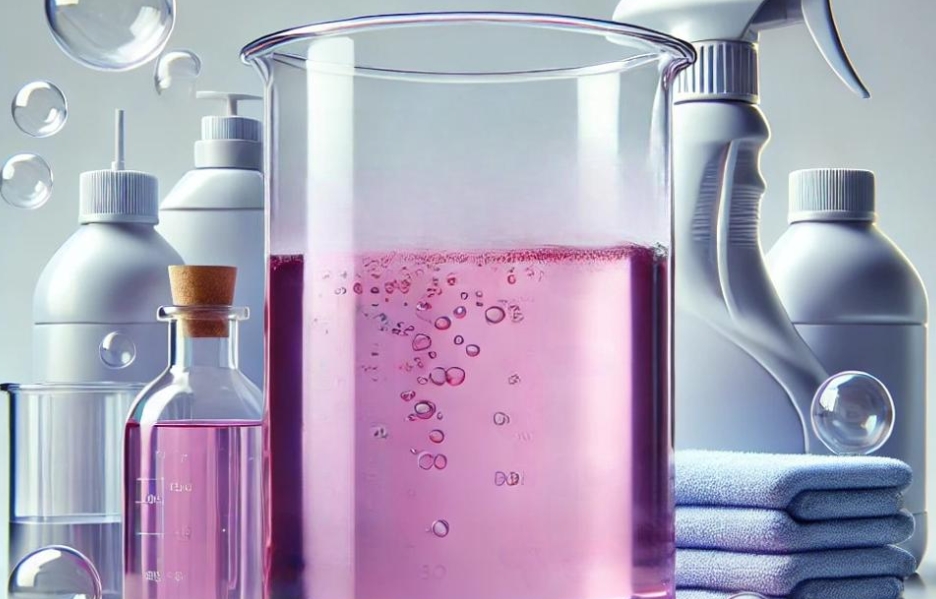
Soap Dyes are colourants used to impart attractive shades to compatible soap formulations. Available colour types depend on the soap base, processing method, solubility and intended application.
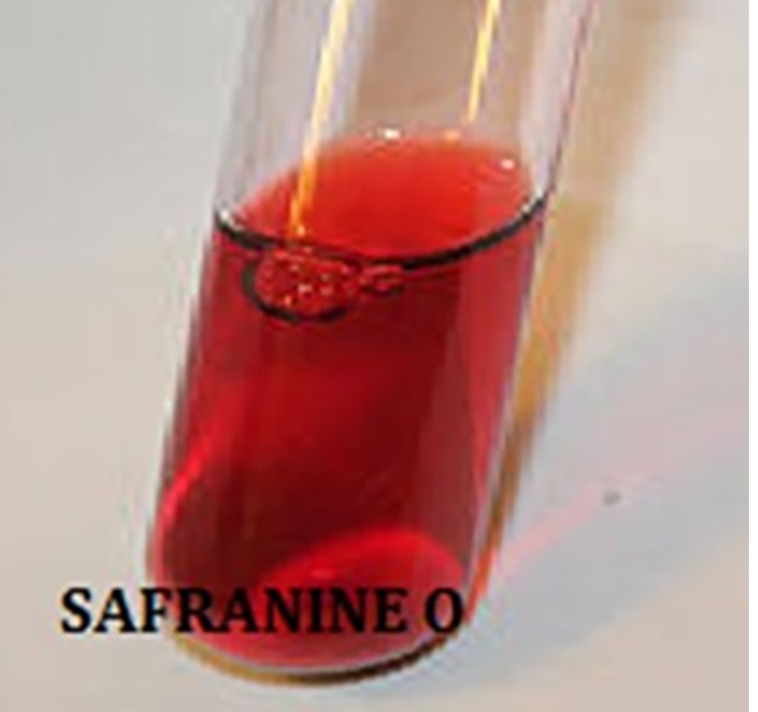
Safranin O is a synthetic red biological stain widely used in microscopy, histology, microbiology and laboratory research. Its suitability depends on the specific grade, purity and intended application.
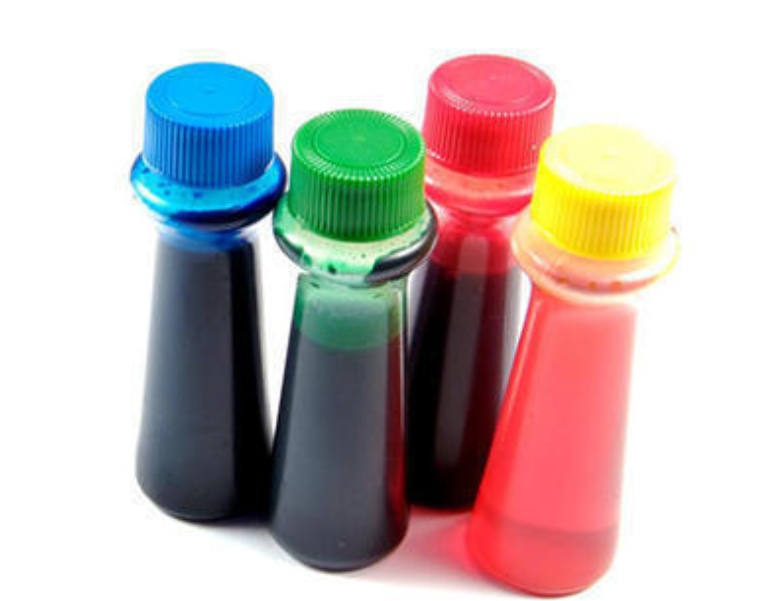
Plastic Colorants are colouring materials used to impart specific shades to plastic products and polymer-based materials. Available types may include dyes, pigments and colour concentrates, depending on the polymer, processing method and application requirements.
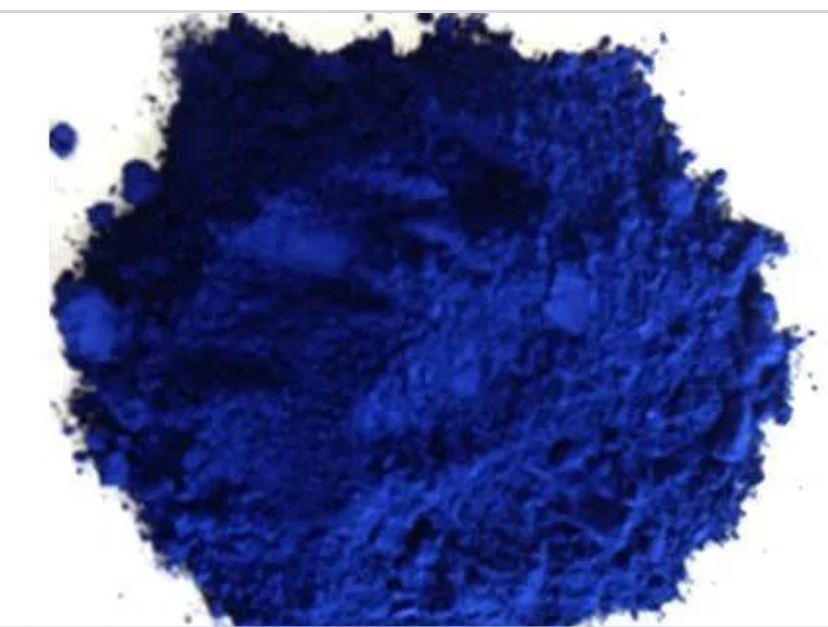
Methylene Blue is a synthetic thiazine dye widely used as a biological stain, laboratory colourant and indicator in selected scientific applications. Product suitability depends on the grade, purity and intended use.
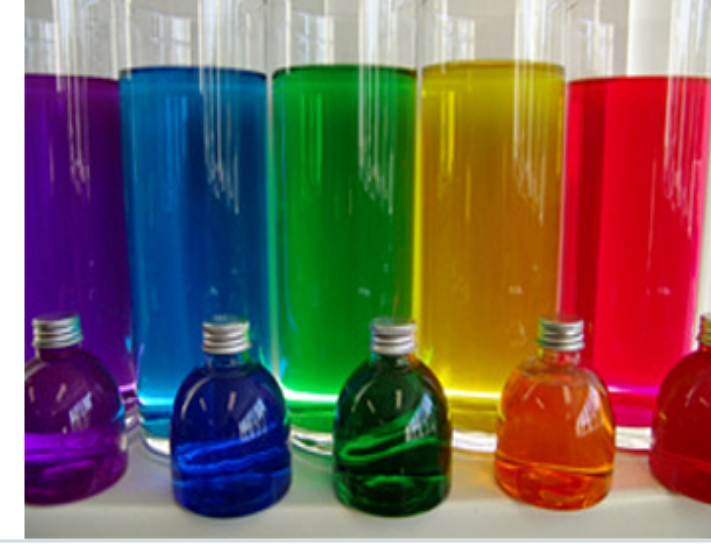
Liquid Acrylic Dyes are liquid colourant formulations designed for colouring compatible acrylic materials and selected industrial applications. Product selection depends on the acrylic system, required shade, compatibility and processing conditions.
Janus Green B is a basic dye used primarily as a biological stain and colourant in laboratory applications. Its suitability depends on the specific grade, formulation and intended use.
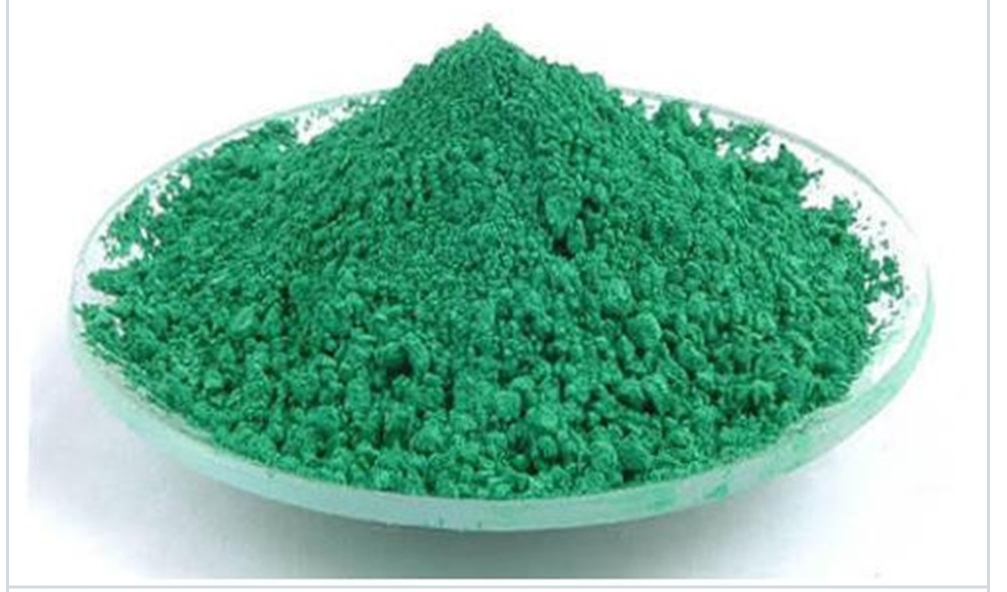
Green Dyes are colourants used in textile dyeing, paper colouring, inks, plastics and various industrial applications. Different green dye grades are available depending on the material, application requirements and desired colour shade.
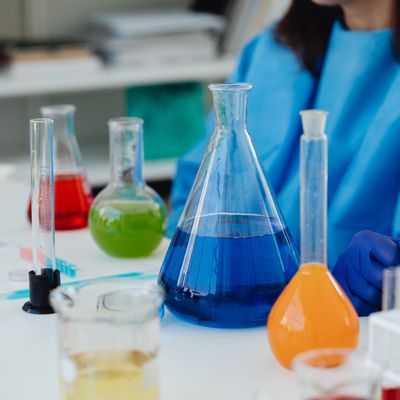
Dihydroxybenzoic Acid is an aromatic organic acid containing two hydroxyl groups and one carboxylic acid group. It is used in chemical research, pharmaceutical intermediate development, and specialised chemical synthesis, depending on the specific isomer and grade.
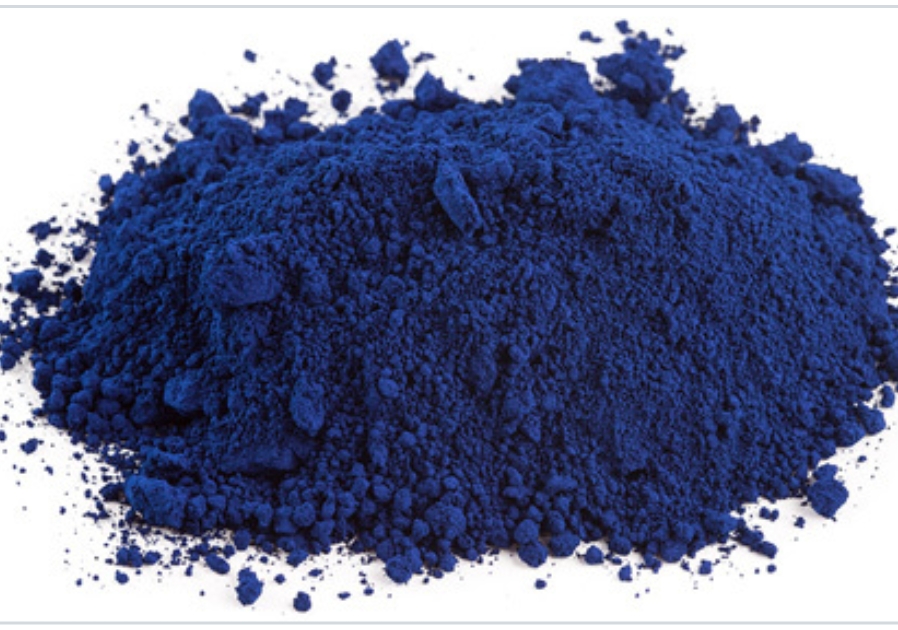
CPC Blue Crude is an intermediate material used in the manufacture of copper phthalocyanine blue pigments. It is associated with pigment production for applications such as paints, inks, plastics, and other industrial colour formulations.
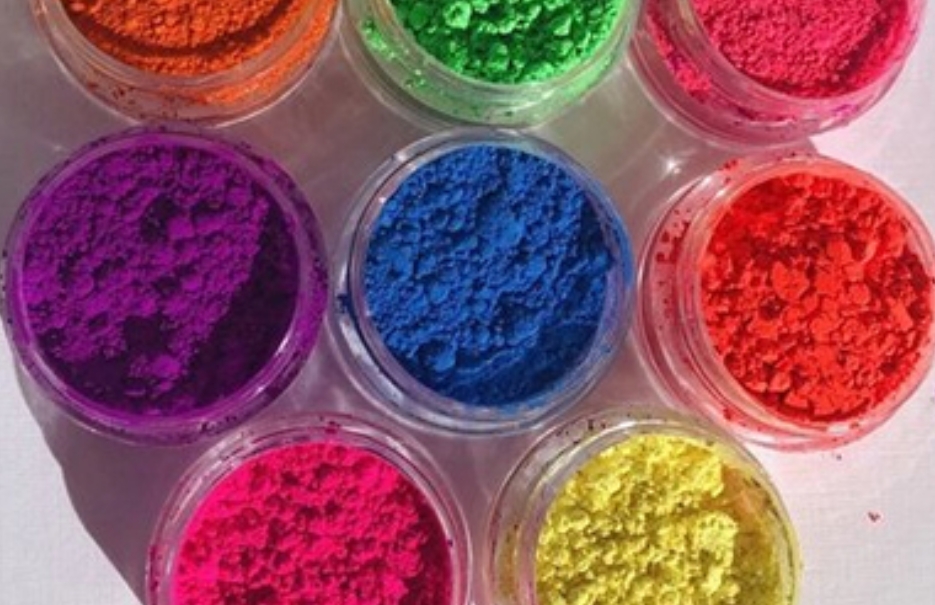
Cosmetic Dyes are specialised colourants intended for use in cosmetic formulations when approved for the specific application. Suitable colourants depend on the product type, formulation requirements, and applicable regulatory standards.
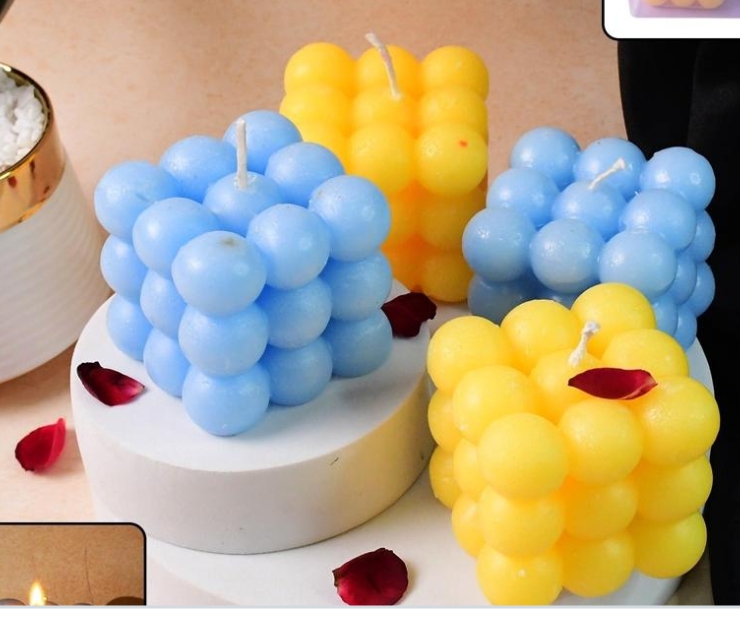
Candle Colors are specialised colourants used to add attractive shades to candles made from compatible waxes. Available colourant types may include oil-soluble dyes and suitable pigments, depending on the wax formulation and desired finish.
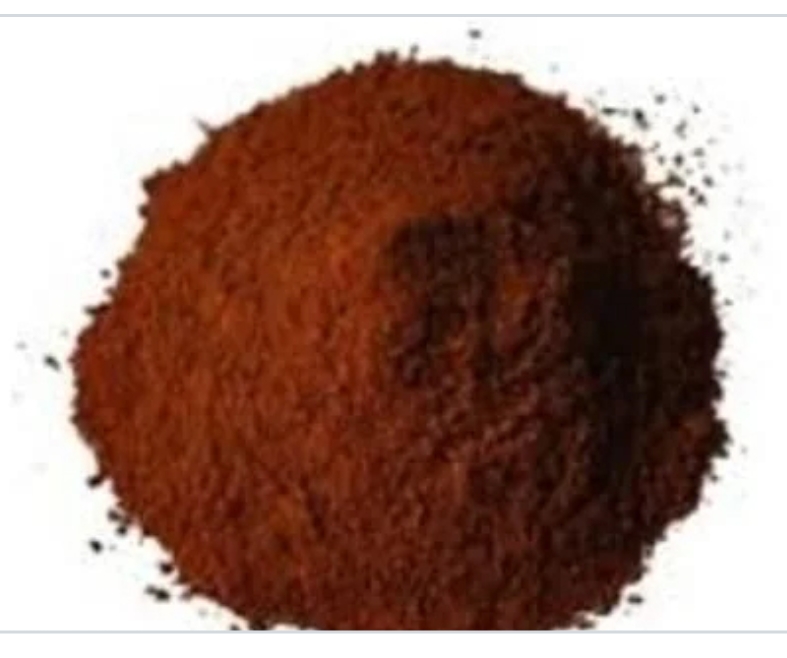
Brown Dye is a colourant used to impart brown shades to compatible textiles, paper, wood, leather, and other materials. The suitable dye type depends on the substrate, application method, and required colour performance.
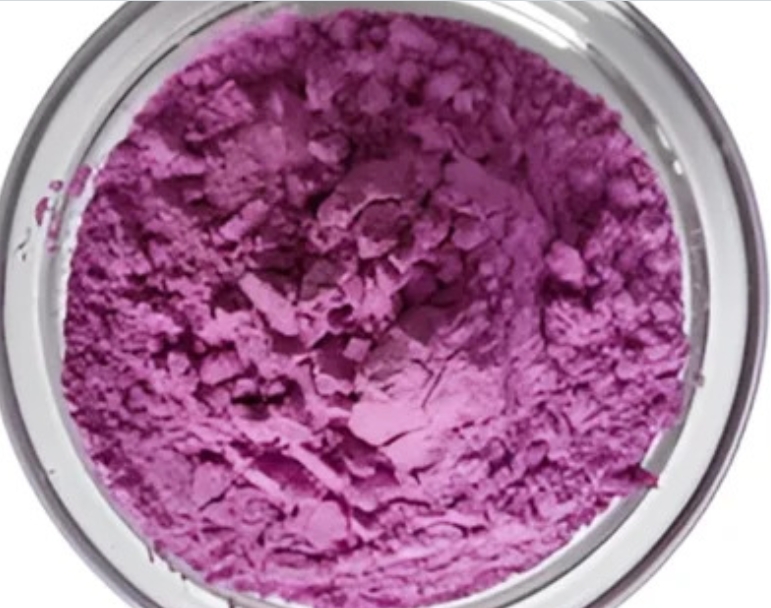
Basic Violet is a category of violet-coloured basic dyes used in compatible textile, paper, and selected industrial colouring applications. Its properties, solubility, and suitability depend on the specific dye grade and Colour Index identity.
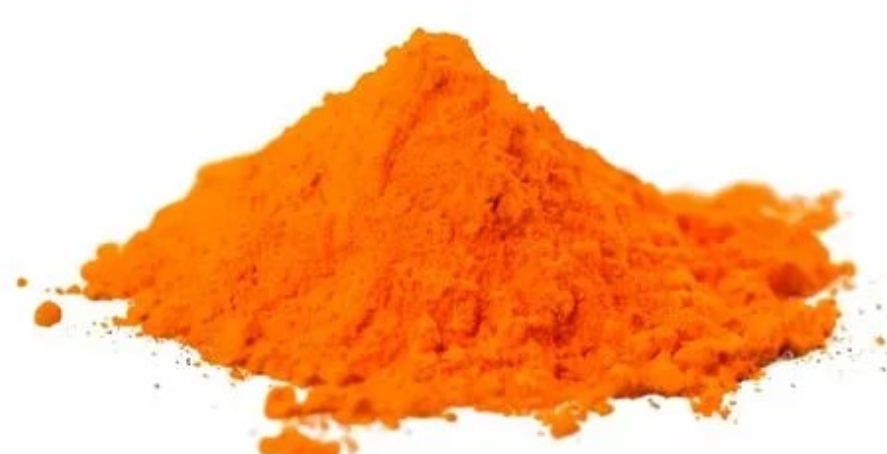
Basic Orange is a category of orange-coloured basic dyes used for compatible textile, paper, and selected industrial colouring applications. Its properties and suitability depend on the specific dye grade and Colour Index identity.
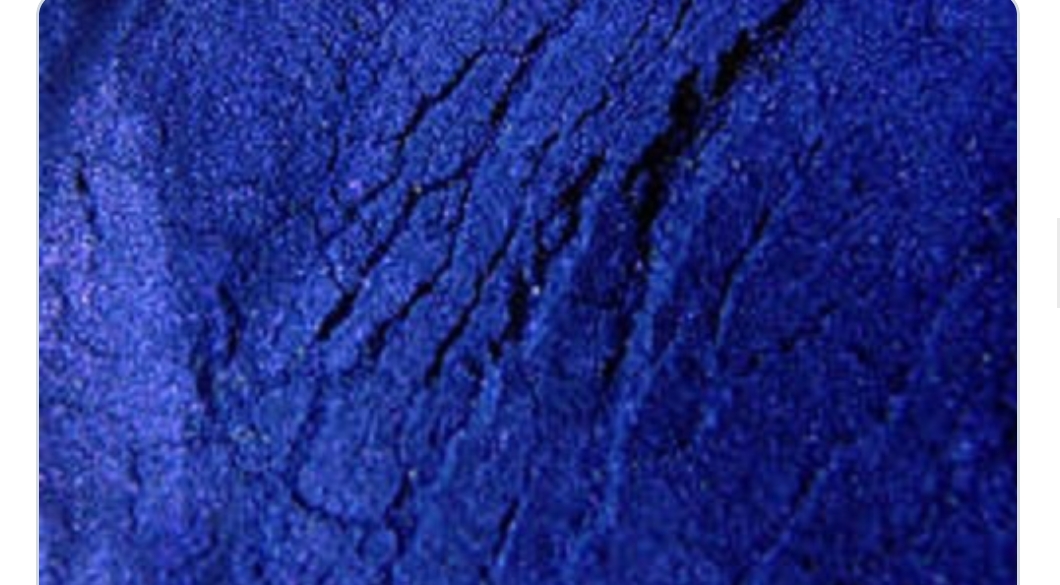
Basic Blue is a blue colourant designation used for certain synthetic dyes suitable for selected textile, paper, and industrial colouring applications. Exact properties and compatibility depend on the specific dye grade and Colour Index identity.
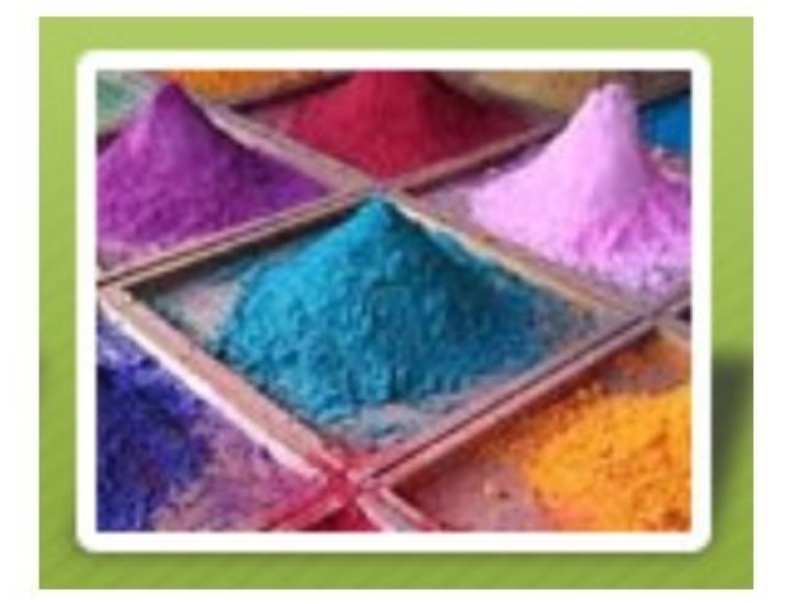
Thermochromic Dyes are temperature-responsive colourants that change colour or colour intensity in response to temperature variations. They are used in compatible inks, coatings, textiles, packaging, and temperature-indicating products.
Quinaldine Red is a red fluorescent dye used in specialised laboratory research and analytical applications. Its properties and suitability depend on the specific grade and formulation supplied.
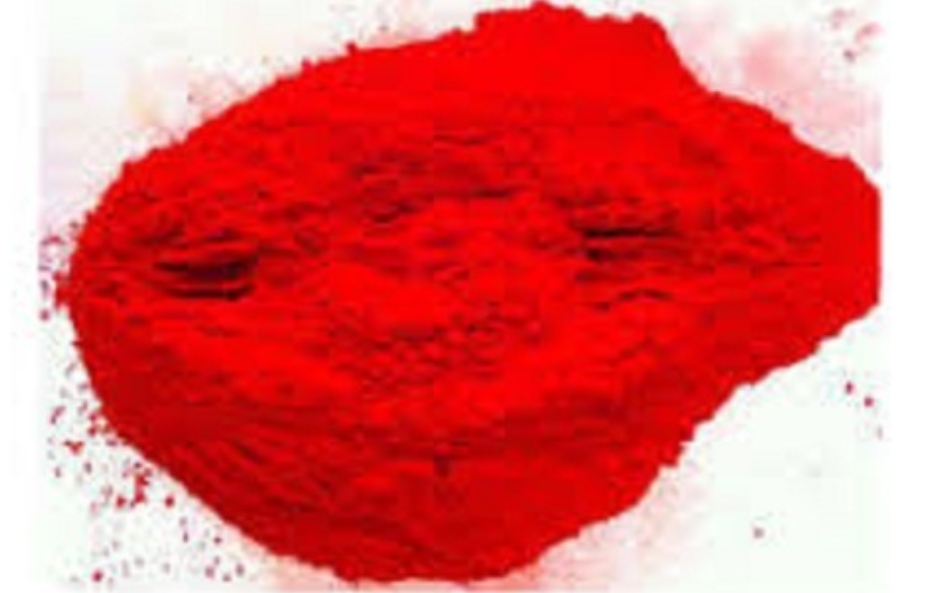
Polymeric Dyes are colourants designed for specialised applications involving polymers, plastics, coatings, and other compatible materials. Their properties, compatibility, and performance depend on the specific dye chemistry and polymer system.
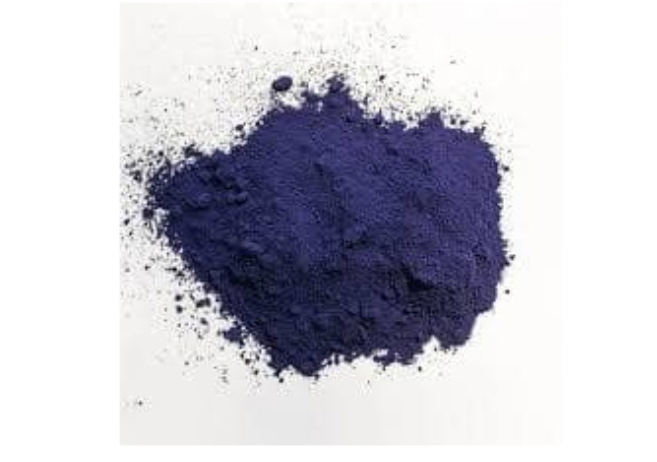
Indigo Blue Dye is a blue colourant widely associated with denim and textile dyeing. It is used primarily to produce deep blue shades on cotton and other compatible textile materials, depending on the dye grade and application process.
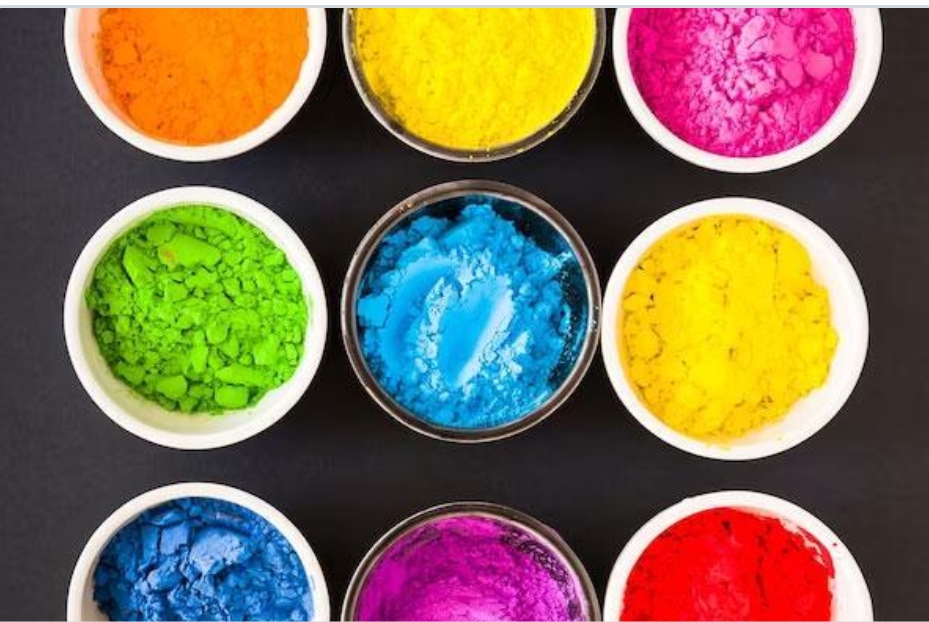
Rapid Reactive Dyes are specialised textile colourants designed for reactive dyeing processes where efficient colour application is required. They are used primarily for cotton and other compatible cellulosic fibres, depending on the specific dye grade and processing conditions.
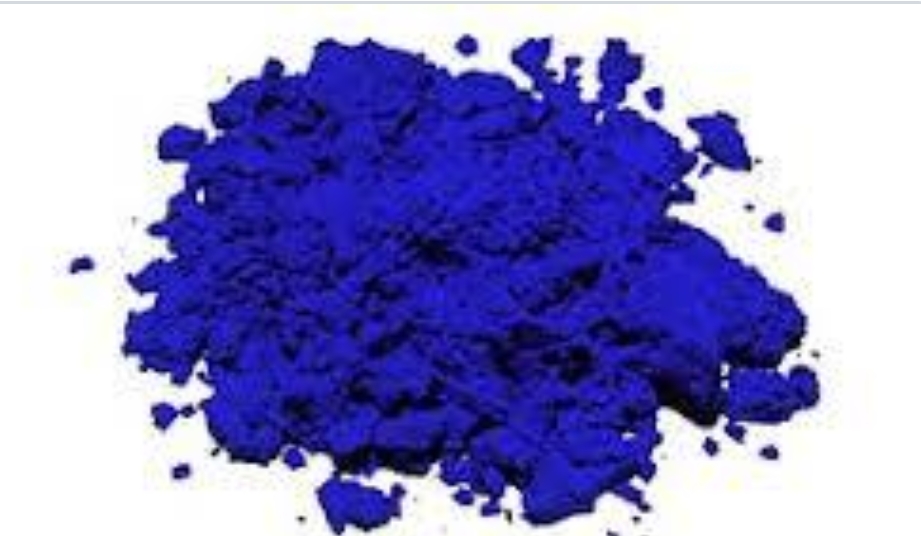
Pumped Blue Dye is a blue colourant designation whose exact composition and applications depend on the specific product grade. The intended use, solubility, and compatibility should be confirmed with the supplier.
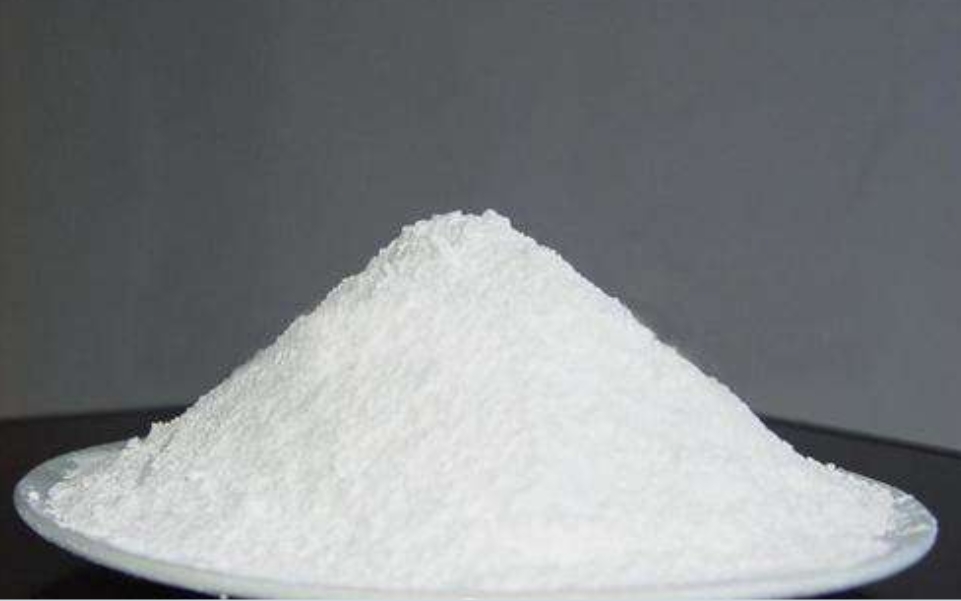
Nylon Powder is a powdered polyamide material used in selected industrial, engineering, coating, and manufacturing applications. Its properties and suitability depend on the nylon grade, particle size, and formulation.
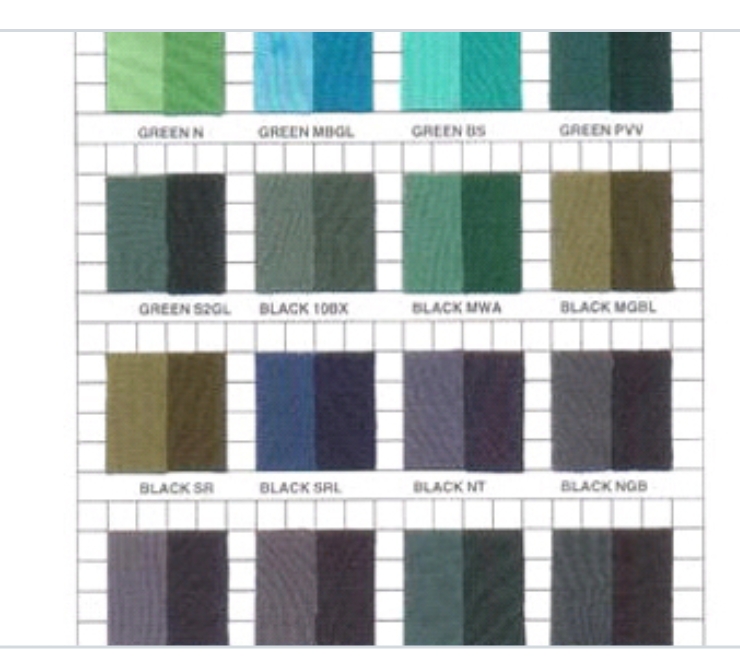
Nylon Dyes are colourants designed for dyeing nylon fibres, fabrics, yarns, and other compatible polyamide materials. Suitable dye selection depends on the required shade, dyeing process, and fabric specifications.
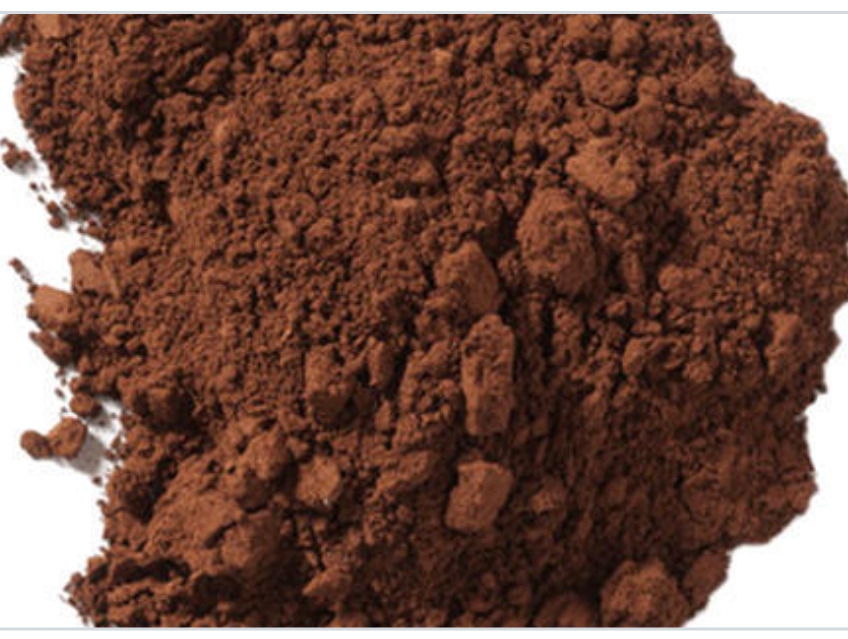
Wood Dyes are colourants used to enhance the natural grain, appearance, and decorative finish of wood. They are available in different colour options and formulations for compatible wood surfaces, furniture, and woodworking applications.
Red 2G is a commercial red colourant name that may refer to a specific dye grade or formulation. Its applications and properties depend on the exact Colour Index identity and manufacturer specifications.
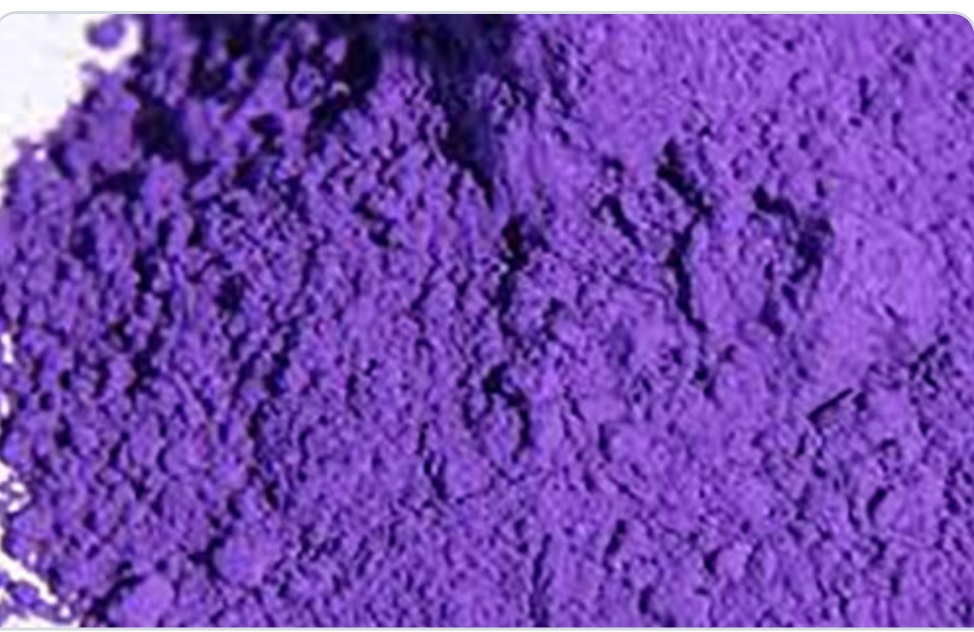
Methyl Violet Dyes are violet-coloured synthetic dyes used in selected laboratory, industrial colouring, and staining applications. Their suitability depends on the specific grade, formulation, and intended use.
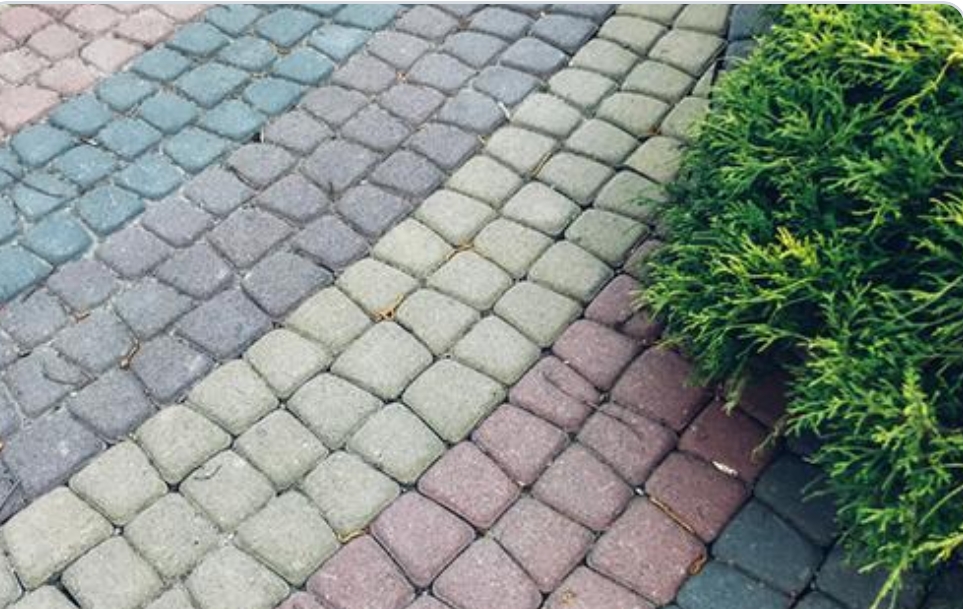
Concrete Colours are colourants used to add decorative shades to concrete, cement-based products, paving blocks, tiles, and other construction materials. Suitable colourants depend on the application, material composition, and required colour performance.
Batik dyes are colourants used in batik textile art and fabric decoration. They help create colourful patterns on fabrics using wax-resist dyeing techniques. Dye selection depends on the fabric type and required colouring process.
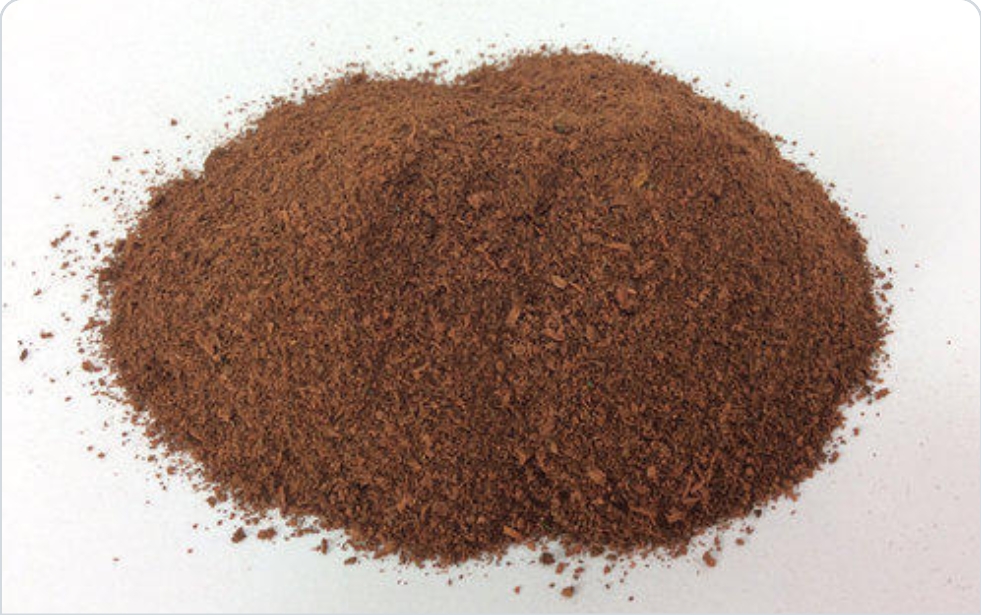
Thioflavin T is a fluorescent dye commonly used in laboratory research, biochemical studies, and fluorescence-based detection methods. It is widely used in research involving amyloid fibrils and protein aggregation.
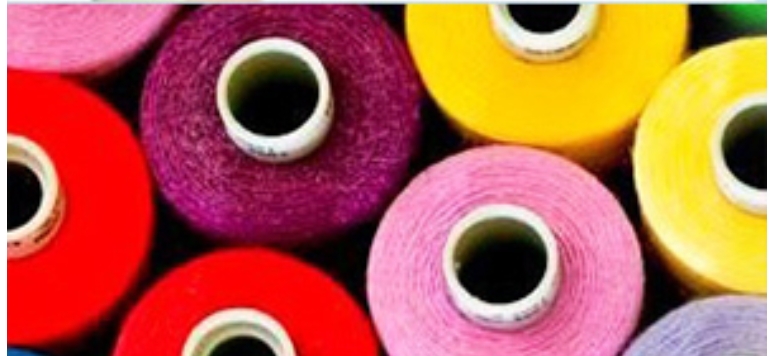
Reactive ME Dyes are medium-exhaustion reactive dyes used in textile dyeing, particularly for cotton and other compatible cellulosic fibres. They form chemical bonds with suitable fibres, helping provide durable colour when applied under appropriate processing conditions.
Polymer Soluble Dyes are colourants designed to dissolve in compatible polymer systems, resins or processing media. They are used in selected plastics, synthetic materials, coatings and industrial applications where uniform colour distribution is required.
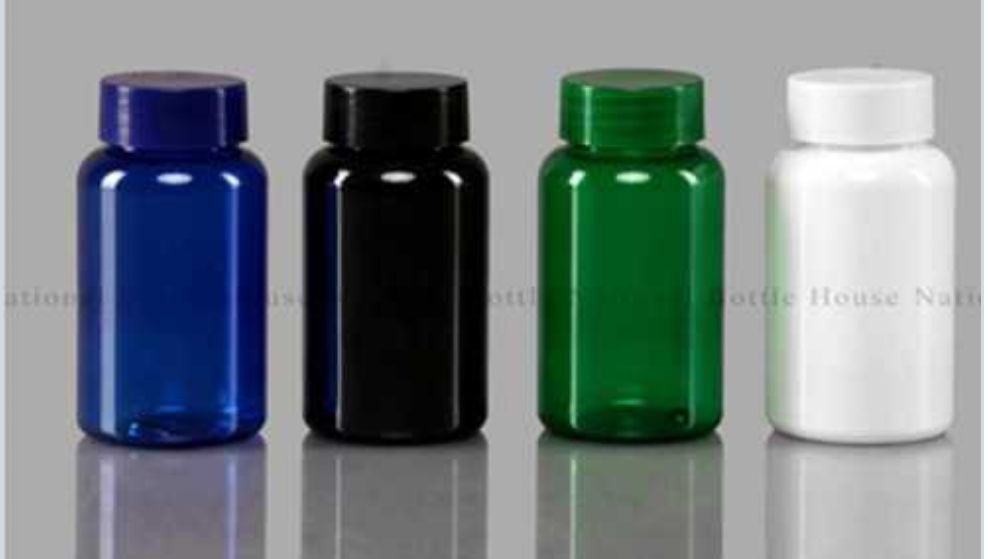
Pharmaceutical Colours are specialised colourants used to impart colour to suitable pharmaceutical formulations, tablets, capsules and other medicinal products. Selection depends on regulatory approval, product compatibility and intended application.
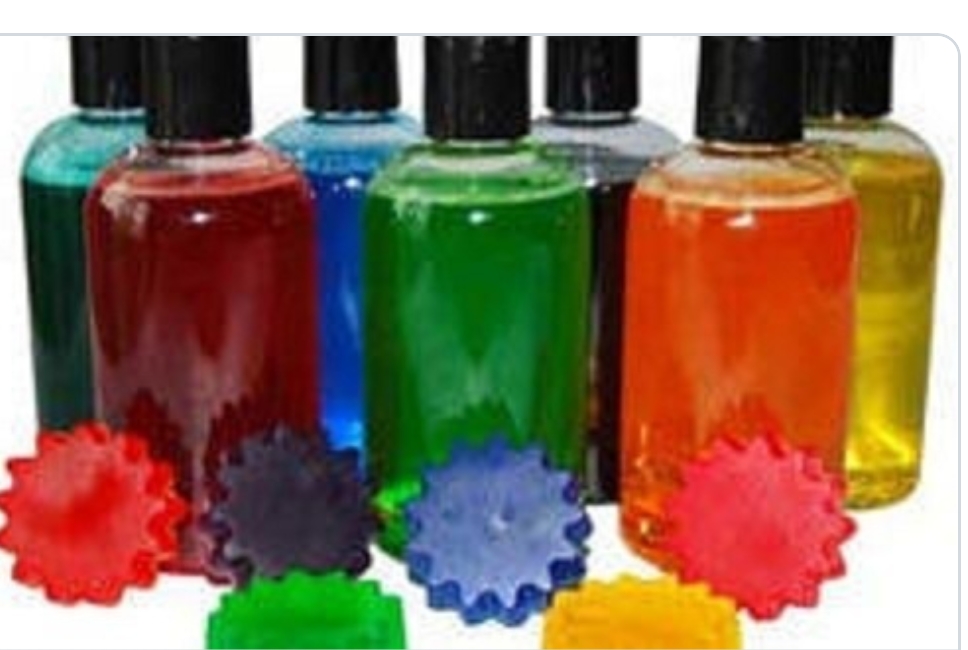
Oil Soluble Dyes are colourants designed to dissolve in suitable oils, organic solvents or compatible non-aqueous media. They are used in selected applications involving lubricants, waxes, plastics, inks and industrial products, depending on the dye chemistry.
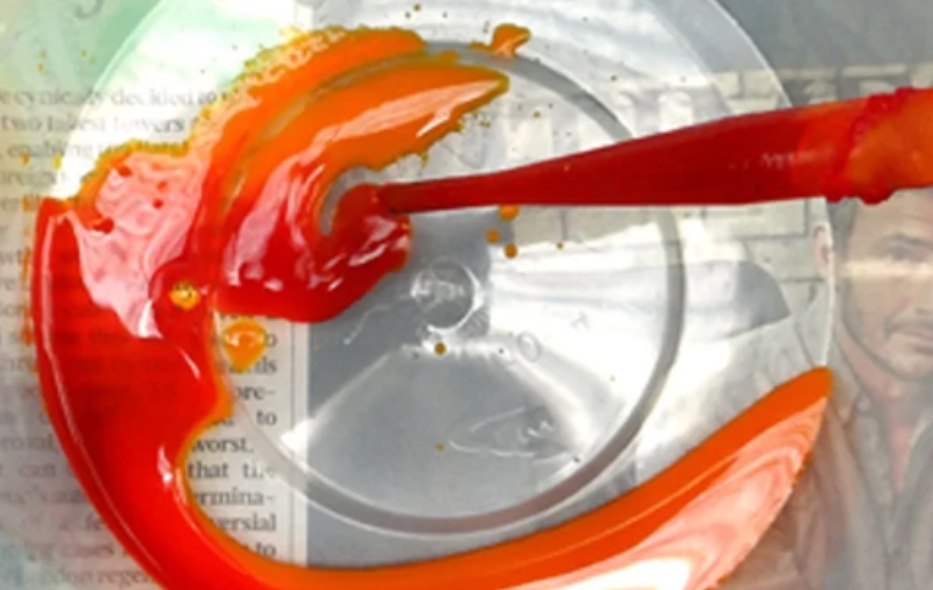
Dye Fixative is a textile processing chemical used to improve the retention of dyes on compatible fabrics and help reduce colour bleeding during washing. Its performance depends on the fixative formulation, dye type and fabric.
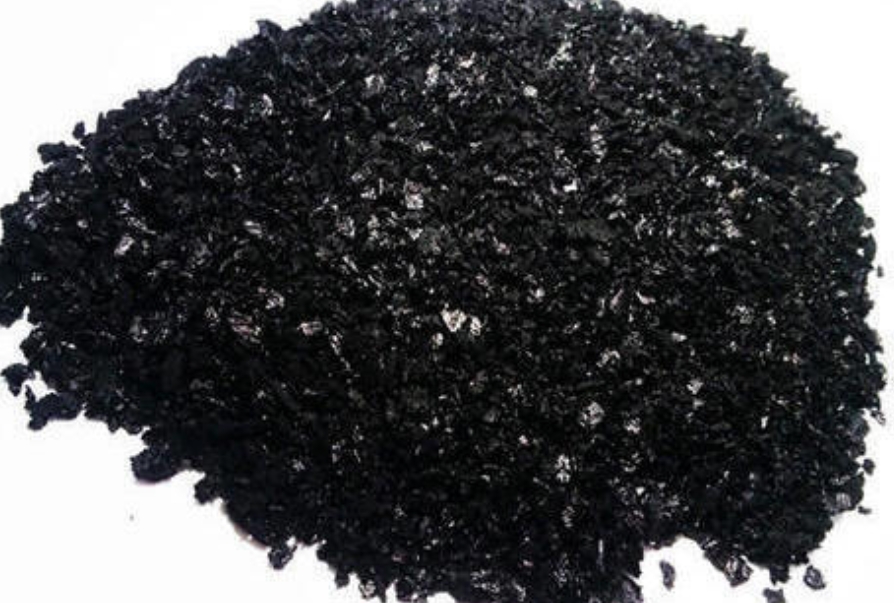
Sulphur Black Dyes are widely used textile colourants for producing deep black shades on cotton and other compatible cellulosic fibres. They are commonly used in denim, workwear, garments and industrial textile processing.
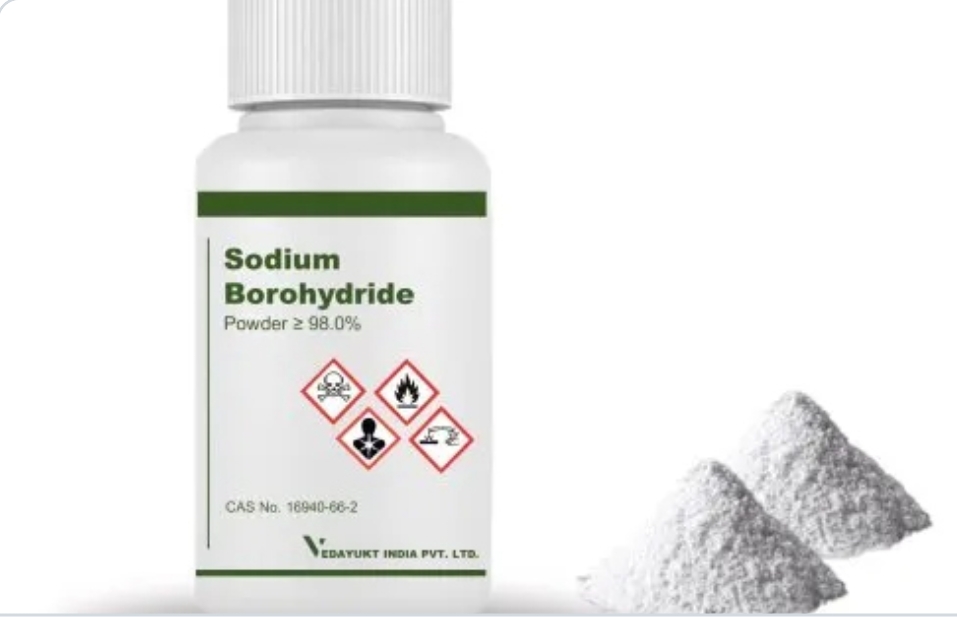
Sodium Borohydride (NaBH4) is an inorganic chemical compound widely used as a reducing agent in chemical synthesis, pharmaceutical manufacturing and selected industrial processes. It is valued for its reducing properties and applications in controlled chemical reactions.
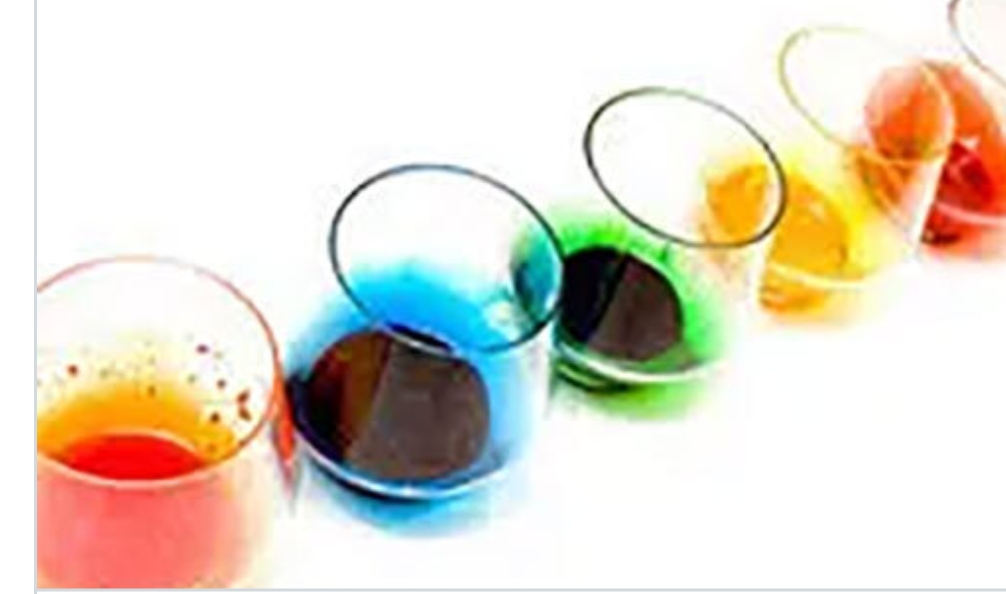
Pyrazolone Dyes are colourants based on pyrazolone-related chemical structures and are used in selected dyeing, colouring and specialty chemical applications. Their shades and performance depend on the specific dye composition and grade.
Indigo Dye is a blue colourant widely used in denim, jeans and textile manufacturing. It is available in natural and synthetic forms and is valued for producing the characteristic blue shades associated with denim fabrics.
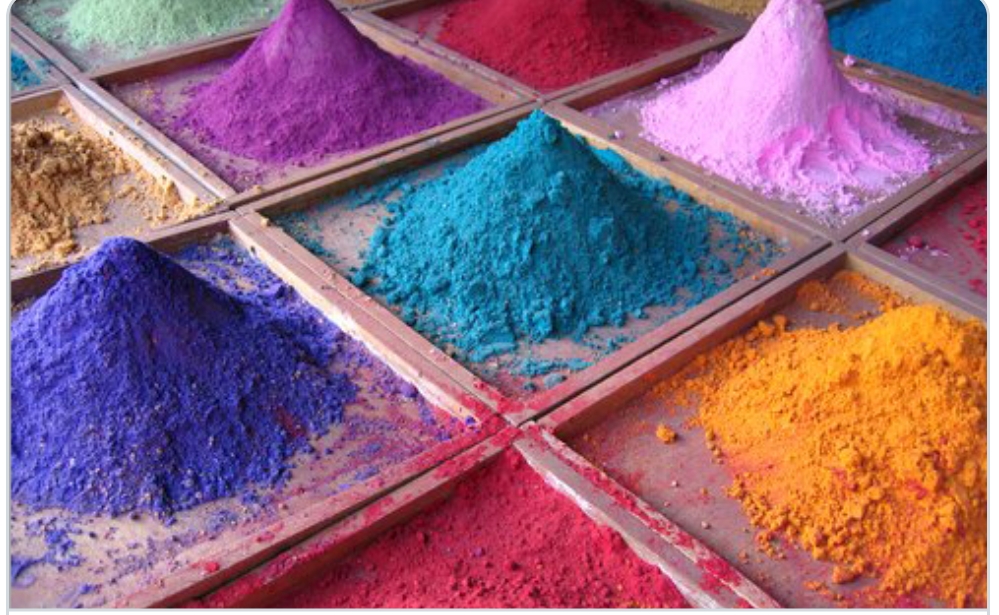
Textile Disperse Dyes are colourants designed primarily for dyeing polyester and other suitable hydrophobic synthetic fibres. They provide a wide range of shades for textile, fabric and garment manufacturing applications.
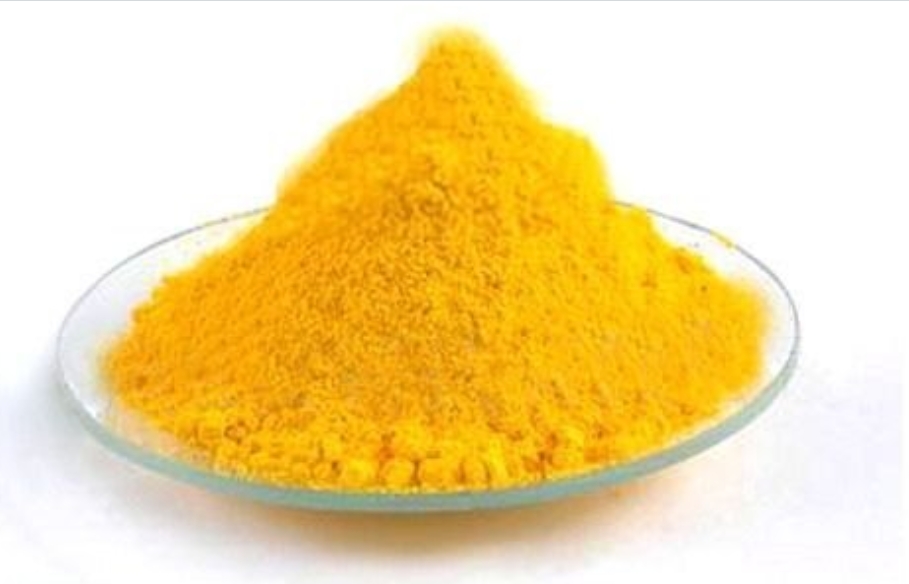
Chrysophenine is a yellow direct dye used primarily in textile colouring applications. It is valued for its bright yellow shade and suitability for dyeing compatible fibres under appropriate processing conditions.
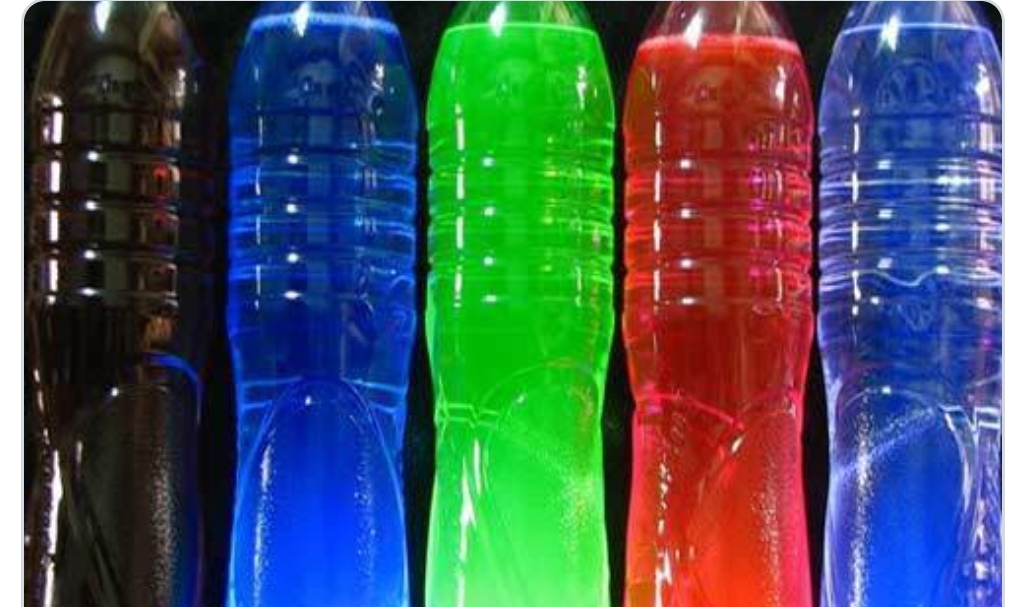
Water Soluble Dyes are colourants designed to dissolve in water for suitable textile, paper, leather and industrial colouring applications. Their solubility, shade and performance depend on the specific dye chemistry and grade.
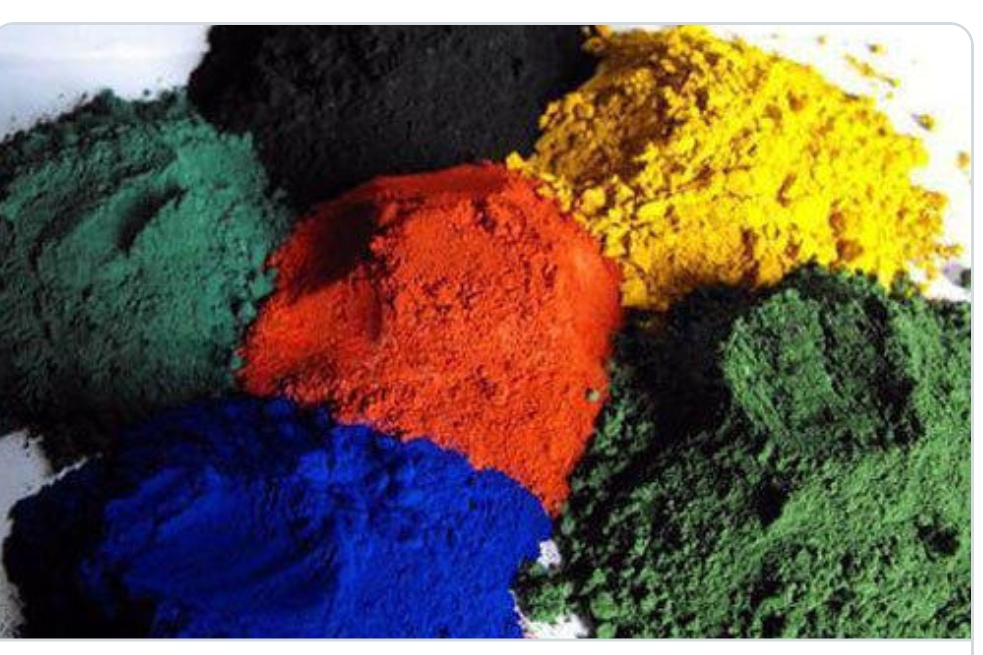
Ribagen Dyes is a commercial product name that may refer to a specific dye range or textile colourant. The exact application, shade and performance depend on the manufacturer's product specifications.
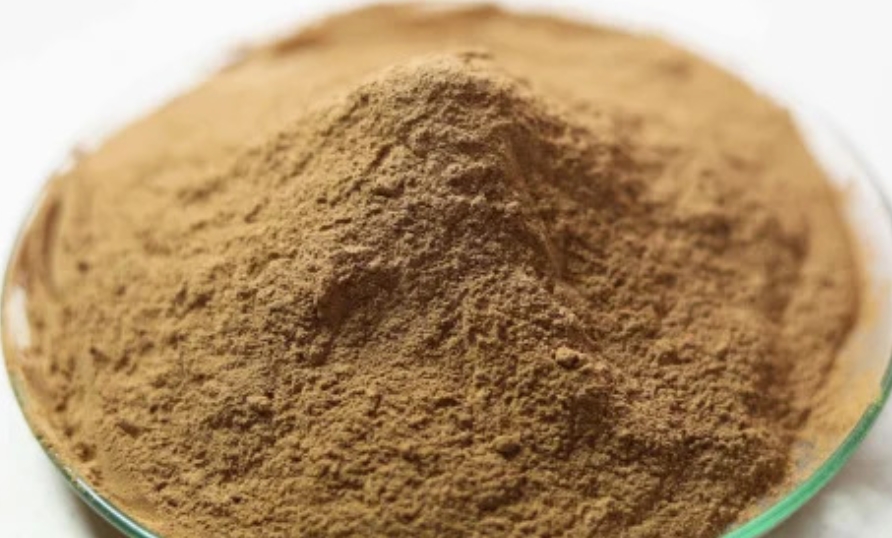
Rapid Fast Dyes are colourants used in suitable textile and industrial dyeing applications where efficient colour development and processing are required. Performance and colourfastness depend on the specific dye type and application.
Natural Vegetable Dyes are plant-derived colourants obtained from sources such as roots, leaves, bark, flowers and seeds. They are used for colouring suitable textiles, fabrics, yarns and other compatible materials.
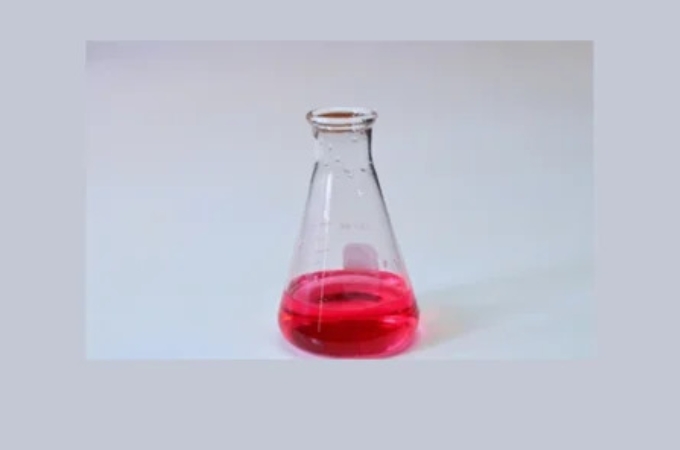
Methyl Red is an organic pH indicator dye commonly used in laboratory applications and analytical chemistry. It changes colour according to the pH of a solution.
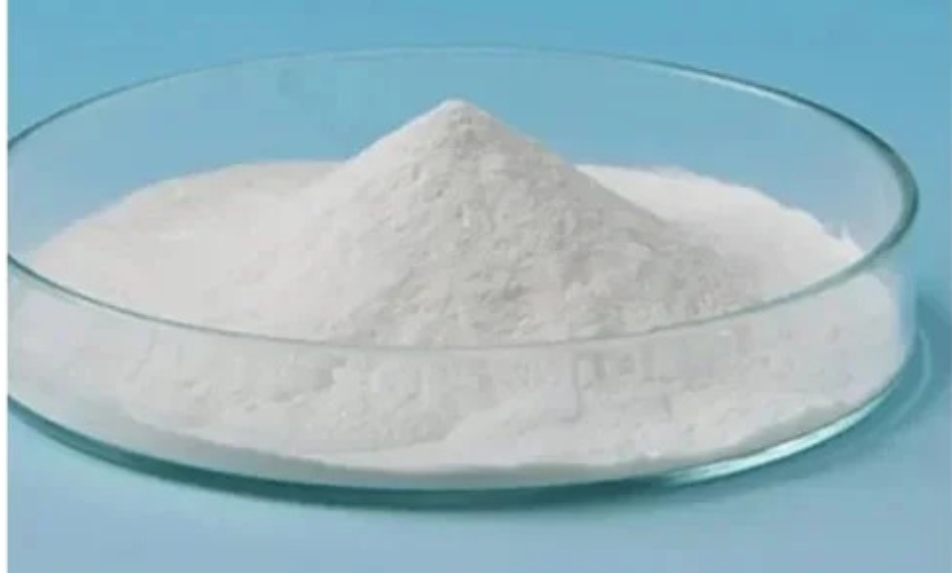
Anionic Dyes are water-soluble colourants that carry a negative charge in solution. They are used in suitable textile, paper, leather and other industrial colouring applications, depending on the specific dye chemistry.
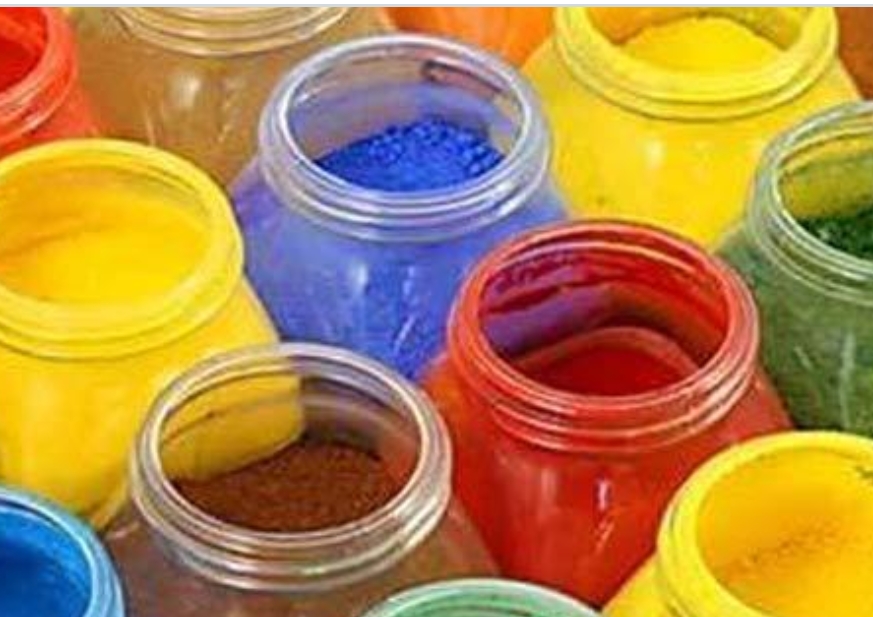
Rapid Dyes are colourants marketed for applications requiring efficient dyeing or colour development. Suitable products depend on the textile material, dye chemistry and intended application.
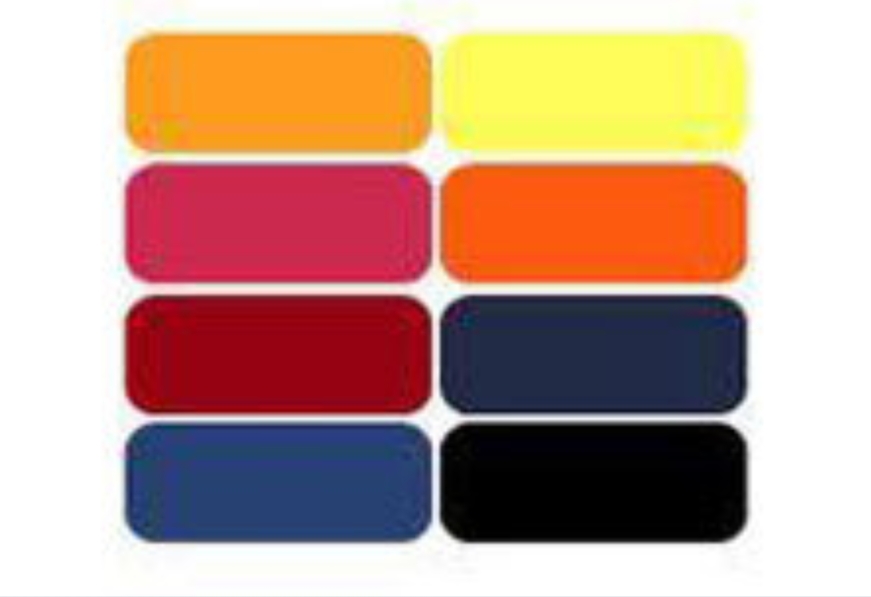
Natural Textile Dyes are colourants derived from natural sources such as plants, roots, leaves, flowers and other natural materials. They are used to colour suitable fabrics and textile fibres.
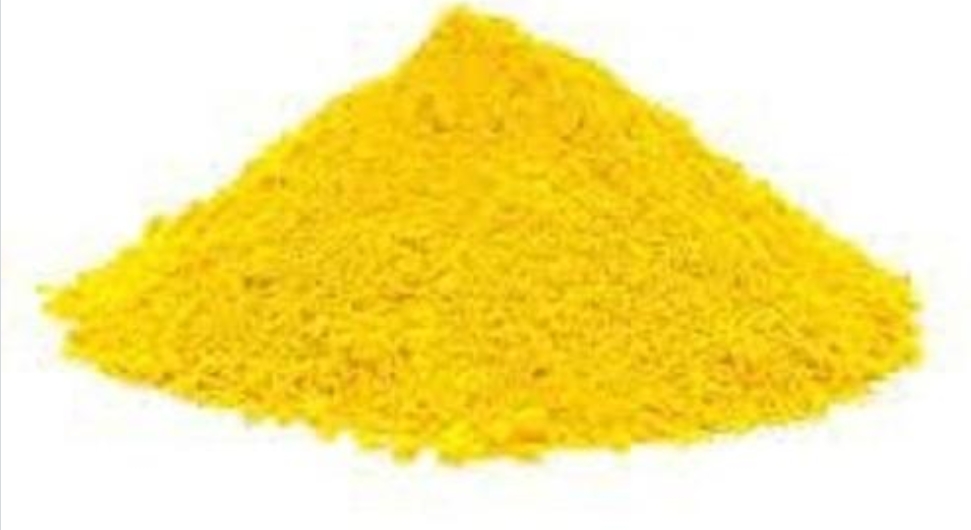
Direct Yellow Dyes are colourants primarily used for dyeing cotton and other suitable cellulosic fibres. They provide yellow shades for textile, paper and other compatible industrial applications.
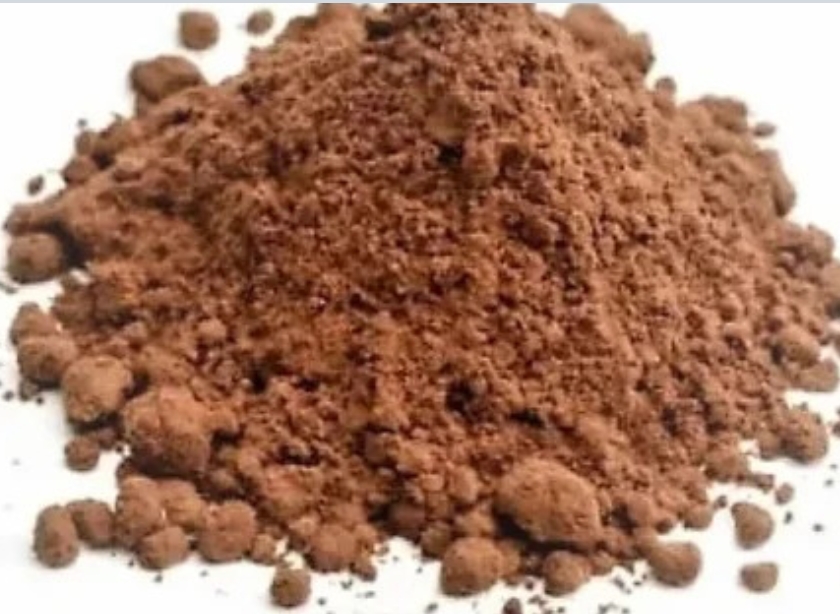
Basic Brown Dyes are cationic colourants used to produce brown shades on compatible materials, including acrylic fibres, paper and selected textile applications. Grade selection depends on material compatibility and required colour performance.
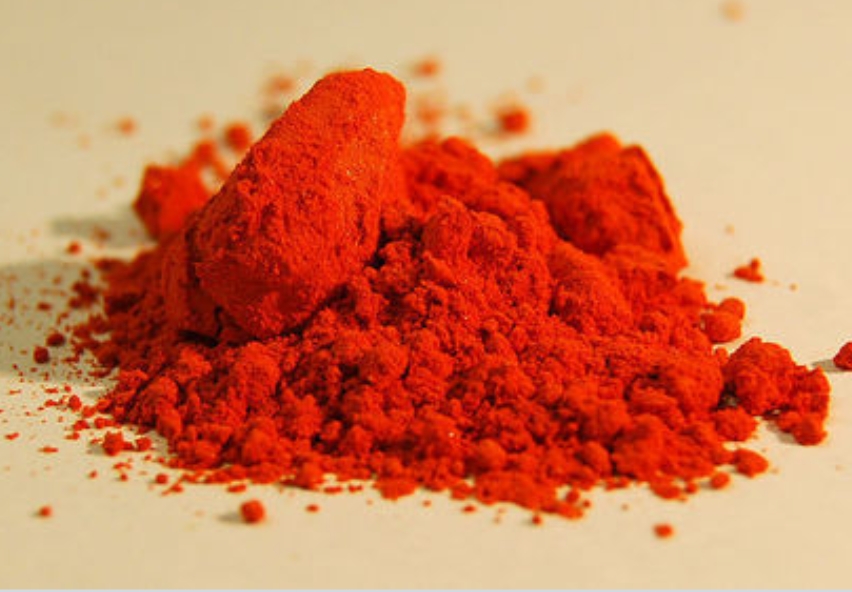
Methyl Orange is a synthetic azo dye commonly used as a pH indicator in laboratory applications. It changes colour according to the acidity or alkalinity of a solution.
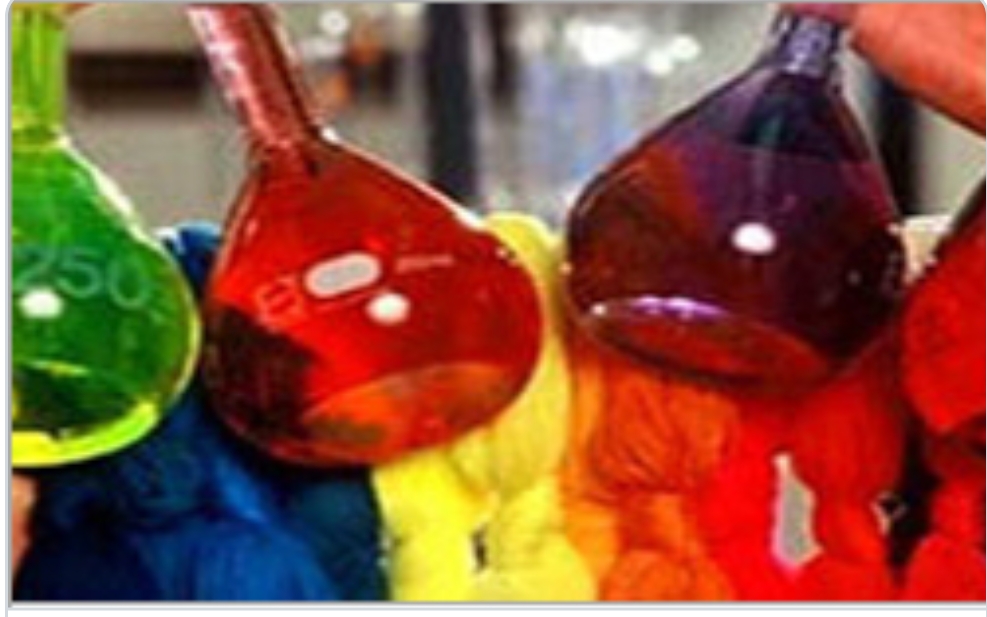
Chrome Dyes are colourants traditionally used in certain textile dyeing applications, including wool and other suitable fibres. Product selection depends on the dyeing process, fibre compatibility and applicable environmental requirements.
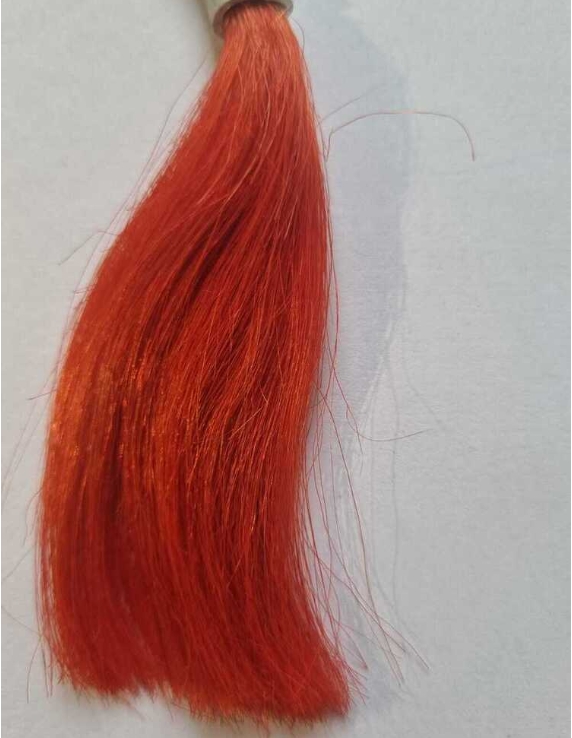
Basic Red Dyes are colourants used to provide red shades in suitable textile, paper, acrylic fibre and other industrial applications. The appropriate grade depends on the material and required colour performance.
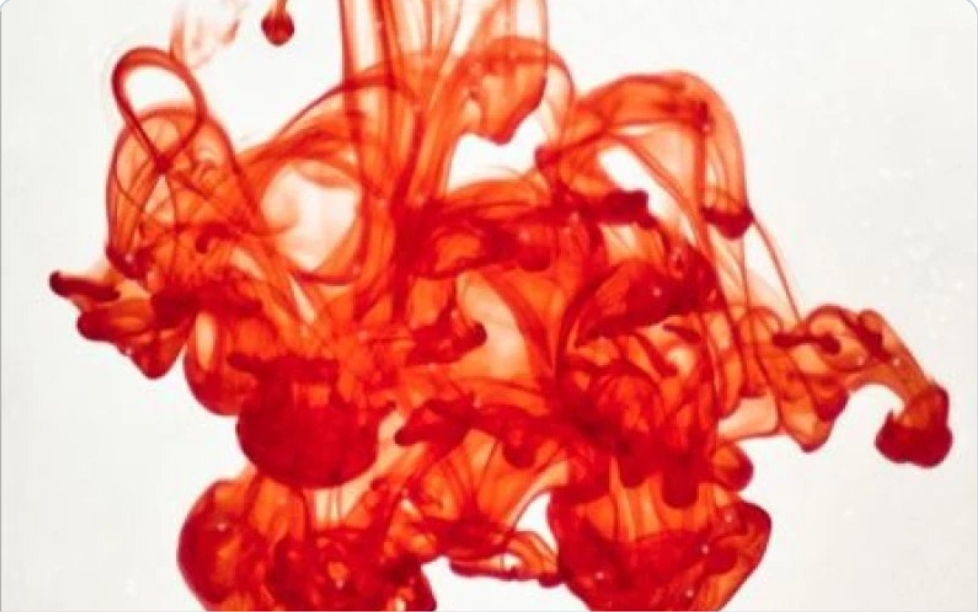
Allura Red AC is a synthetic red colourant used in approved food and other regulated applications, subject to applicable country-specific requirements. It is also known as FD&C Red No. 40.
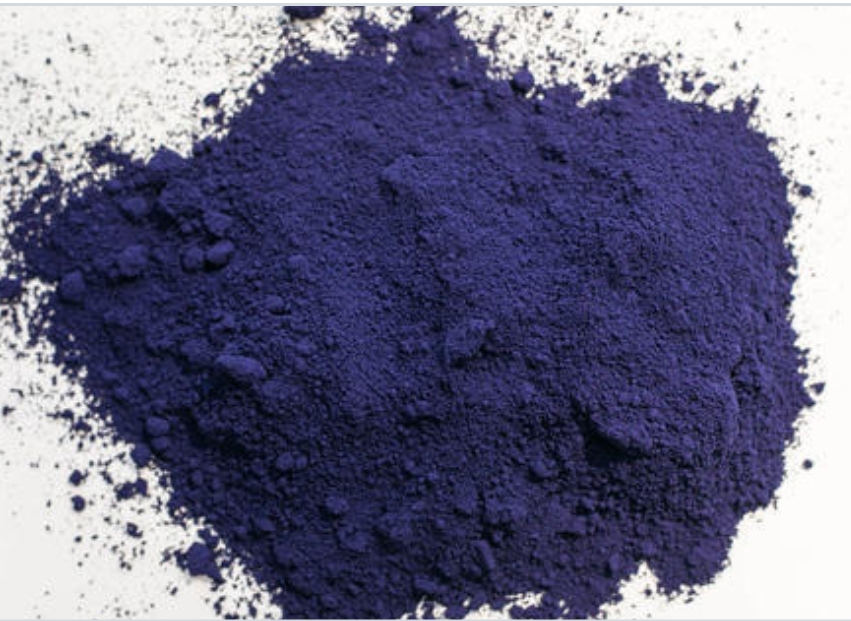
Smoke Dyes are specialised colourants used in certain smoke-colour formulations and related industrial applications. Product suitability depends on the intended application and applicable safety requirements.
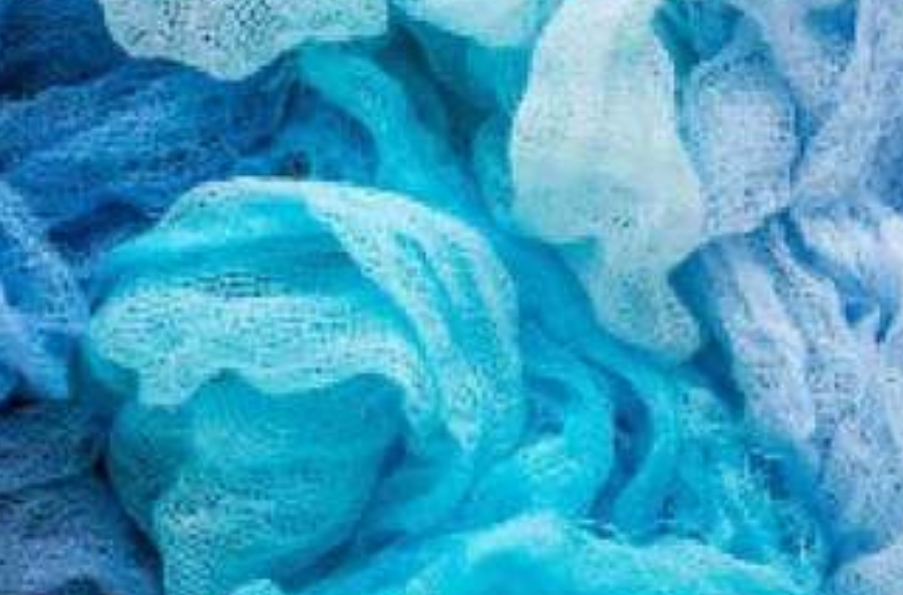
Clothing Dyes are colourants used for dyeing fabrics, garments and textile materials. Suitable dye selection depends on fabric composition, fibre type and dyeing method.
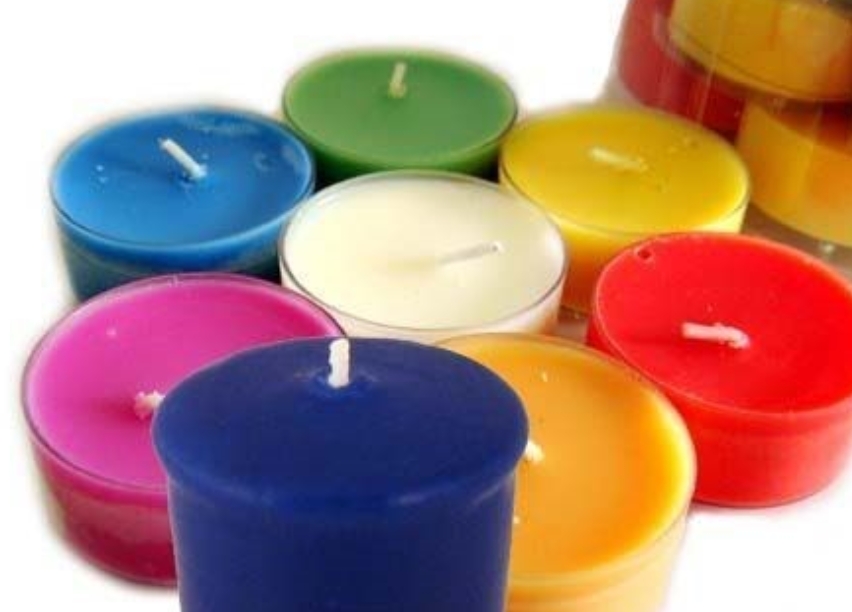
Candle Dyes are colourants specially selected for colouring candle wax and compatible wax blends. Available forms may include oil-soluble dyes, liquid dyes and dye chips, depending on the formulation.
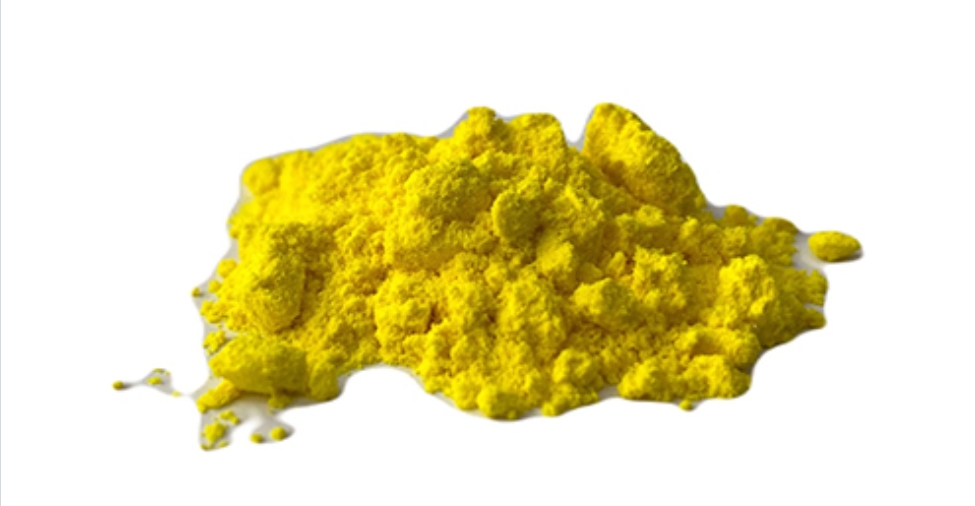
Basic Yellow Dyes are cationic colourants used to impart yellow shades to compatible materials, including selected acrylic fibres, paper, leather and other industrial substrates, depending on the specific dye grade.
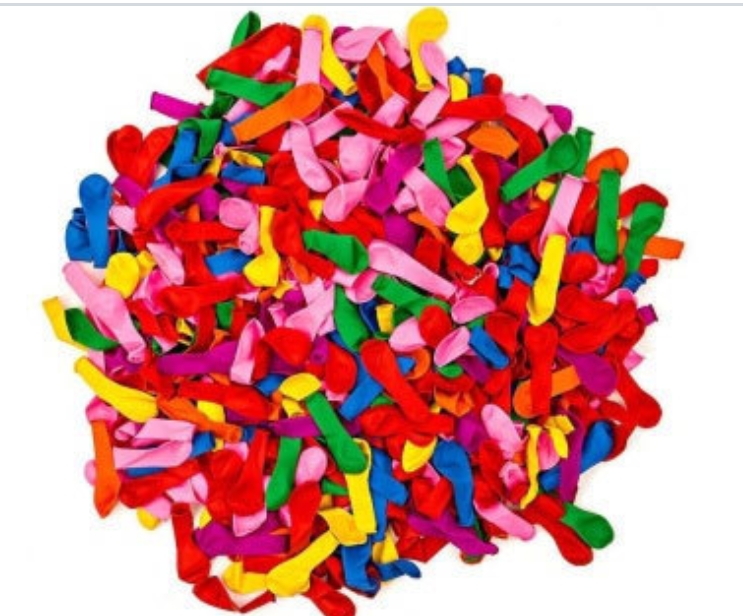
Rubber Dyes are colourants used in selected rubber and elastomer applications. The appropriate colourant depends on the rubber type, formulation, processing temperature and required colour performance.
Quinoline Yellow is a synthetic yellow colourant used in certain regulated applications. It is also known as Food Yellow 13 or E104 in applicable food-colourant classifications. Permitted uses depend on the product grade and destination-country regulations.
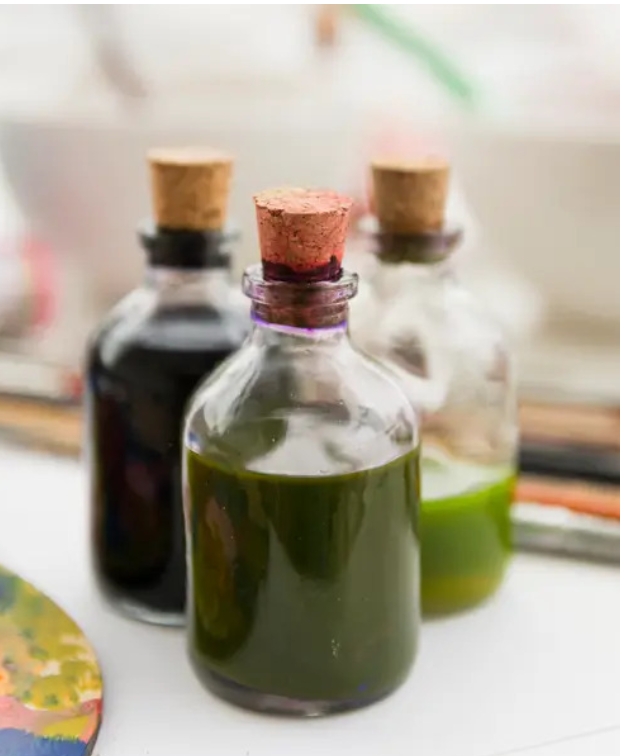
Solvent Soluble Dyes are colourants that dissolve in suitable organic solvents or compatible liquid media. They are used in selected plastics, resins, coatings, printing inks, waxes and other industrial applications.
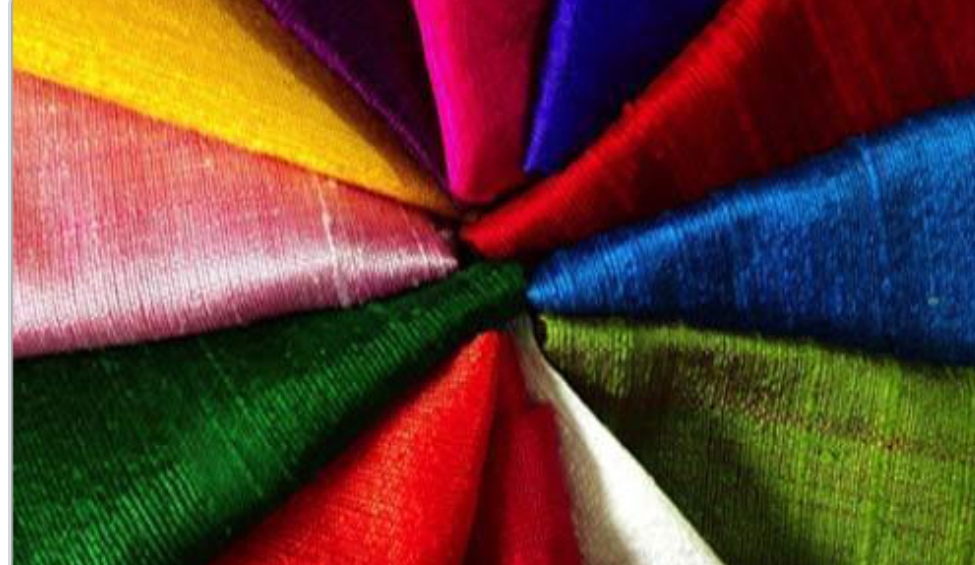
Reactive Cold Dyes are reactive textile dyes designed for suitable dyeing processes at relatively low temperatures, particularly on cotton and other compatible cellulosic fibres. Exact temperature and application requirements depend on the dye grade.

Ramazol Dyes are commercially marketed textile dyes commonly associated with reactive dye ranges for suitable cellulosic fibres, such as cotton. Exact dye type and performance depend on the specific product grade.
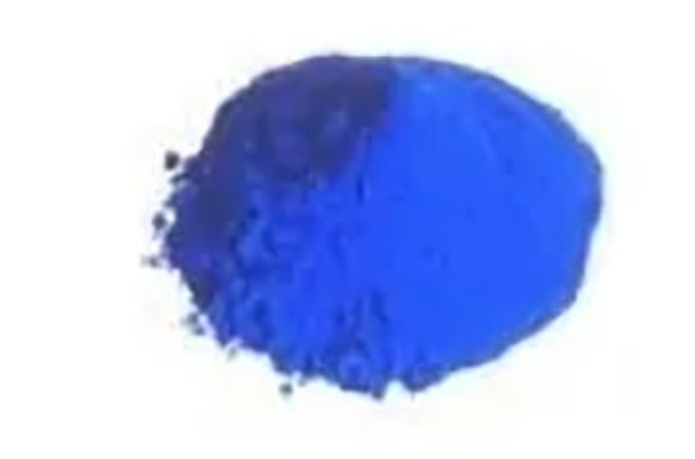
Patent Blue V is a synthetic blue colourant used in approved applications where its specific grade and regulatory status permit. It is also known as Food Blue 5 in some regions; permitted uses vary by country and application.
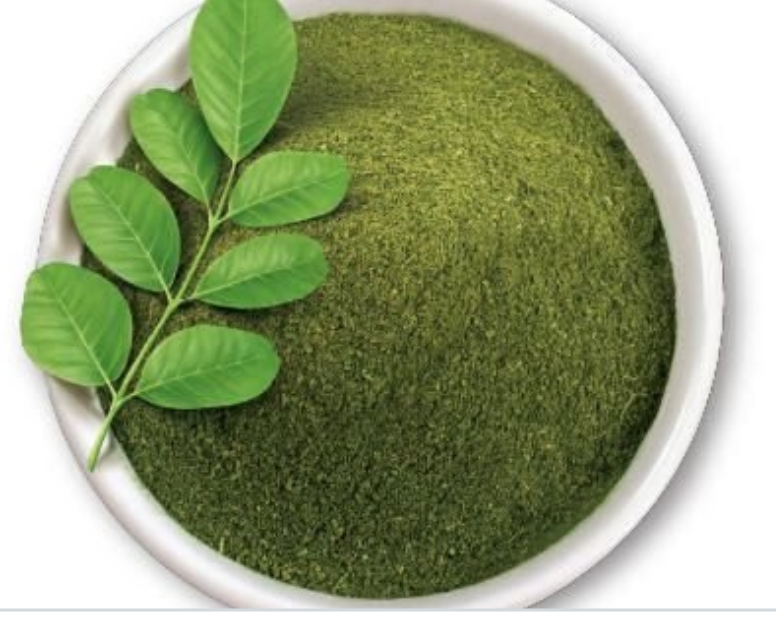
Natural Indigo Dyes are plant-derived blue colourants traditionally obtained from indigo-producing plants. They are used in suitable textile dyeing applications, including selected cotton and natural-fibre fabrics.
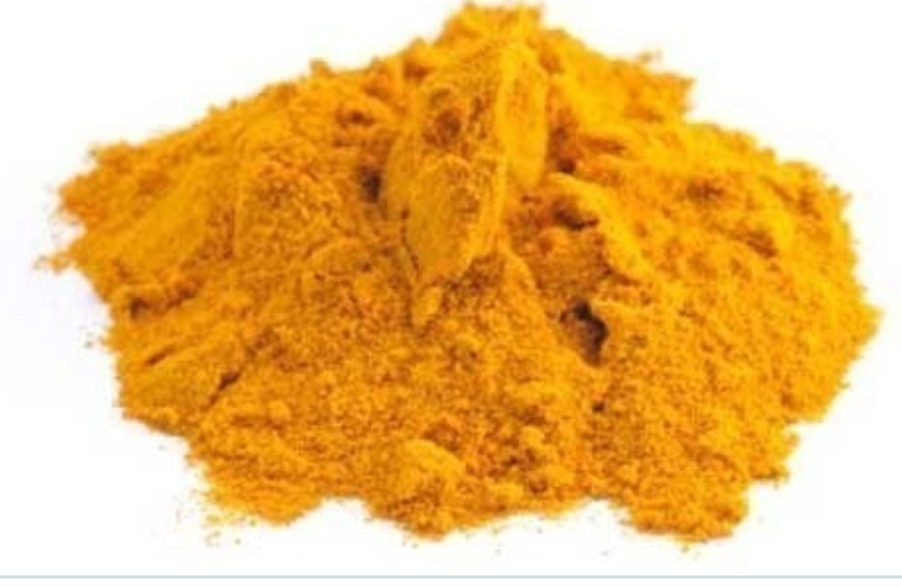
Auramine Dyes are yellow-colour colourants associated with auramine chemistry. Their suitability for industrial applications depends on the specific grade, composition and applicable regulations.
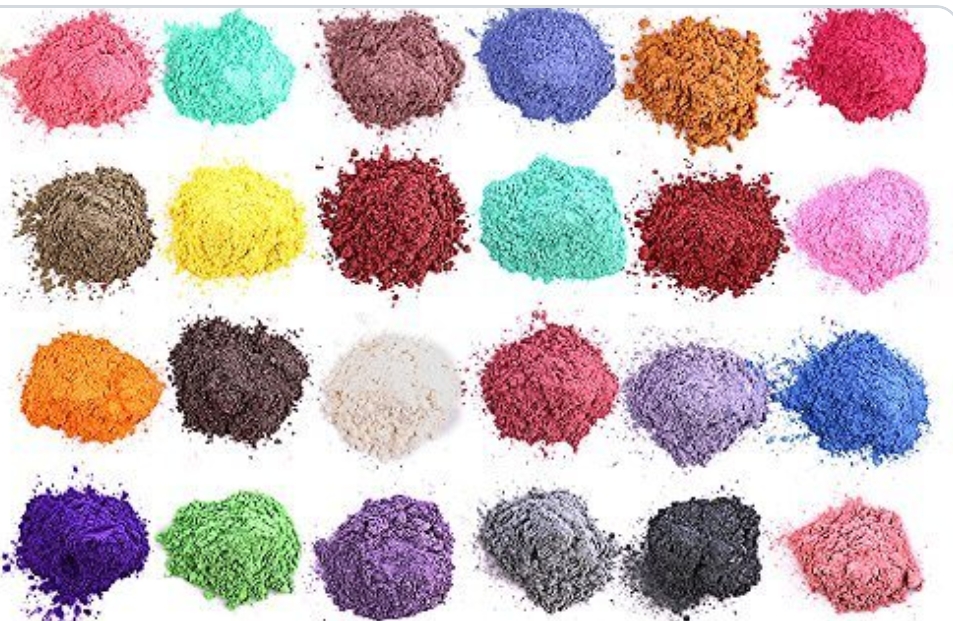
Powdered Dyes are dry-form colourants supplied in powder form for suitable textile, paper, leather and other industrial dyeing applications. Available dye types and shades depend on the specific grade and intended use.
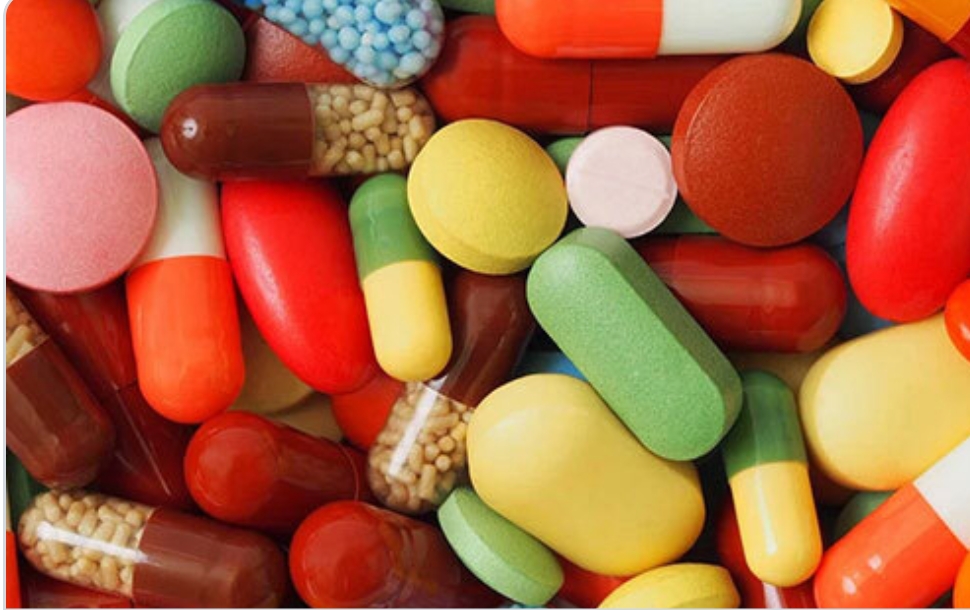
Synthetic Colors are manufactured colourants used to provide consistent shades in suitable industrial, textile, plastic, coating and other applications. Grade selection depends on the intended use and applicable quality requirements.
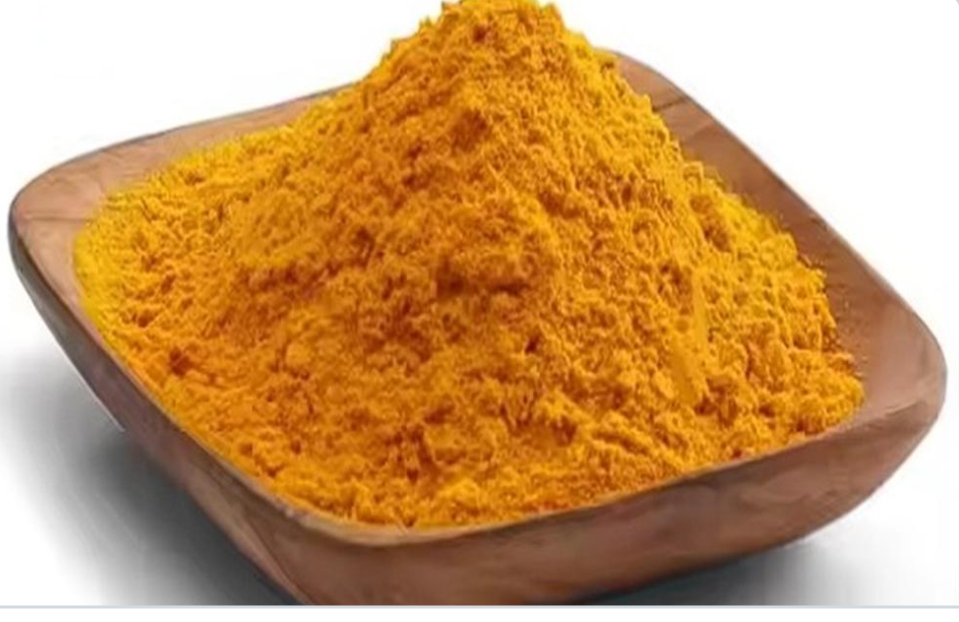
Solvent Yellow Dyes are oil-soluble or solvent-soluble colourants used to impart yellow shades to compatible plastics, resins, coatings, inks and other industrial materials, depending on the specific dye grade.
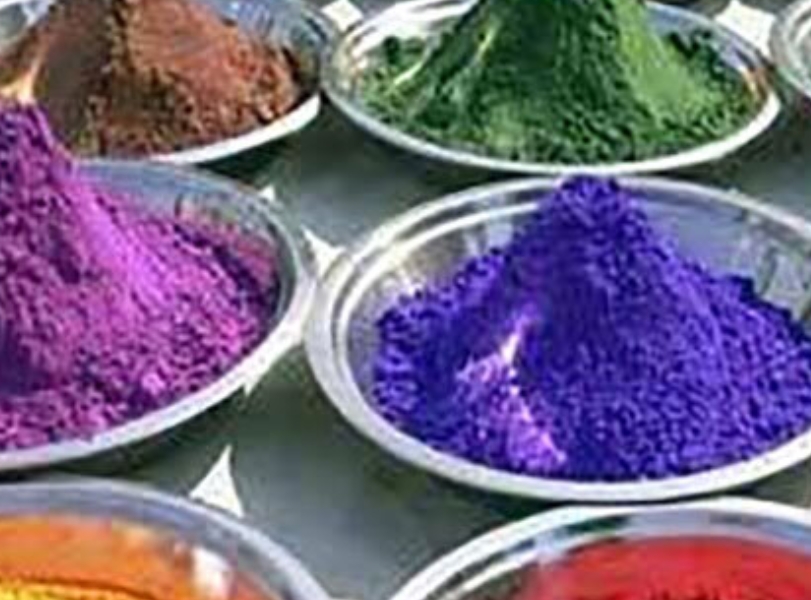
Hot Dyes are dyes used in selected dyeing processes that require elevated temperatures to achieve suitable colour uptake and penetration. The appropriate dye depends on the textile fibre, dye chemistry and processing conditions.
Salt Free Dyes are specially formulated dyes designed for applications where low salt content or salt-free dyeing formulations are required. Suitable grades depend on the dye chemistry, textile material and processing method.
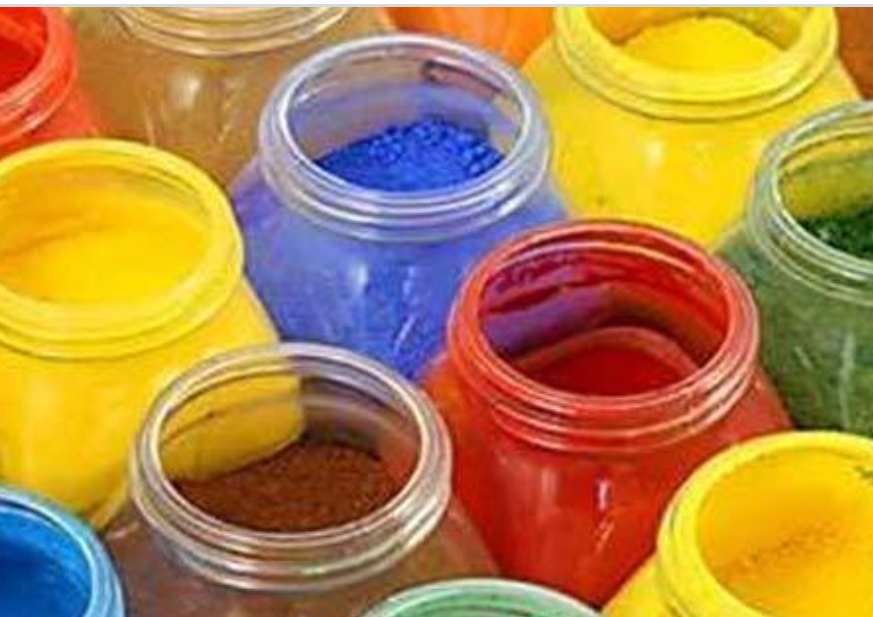
Polyester Dyes are colourants primarily used for dyeing polyester fibres, fabrics and textile materials. Disperse dyes are commonly used for polyester due to their suitability for hydrophobic synthetic fibres.
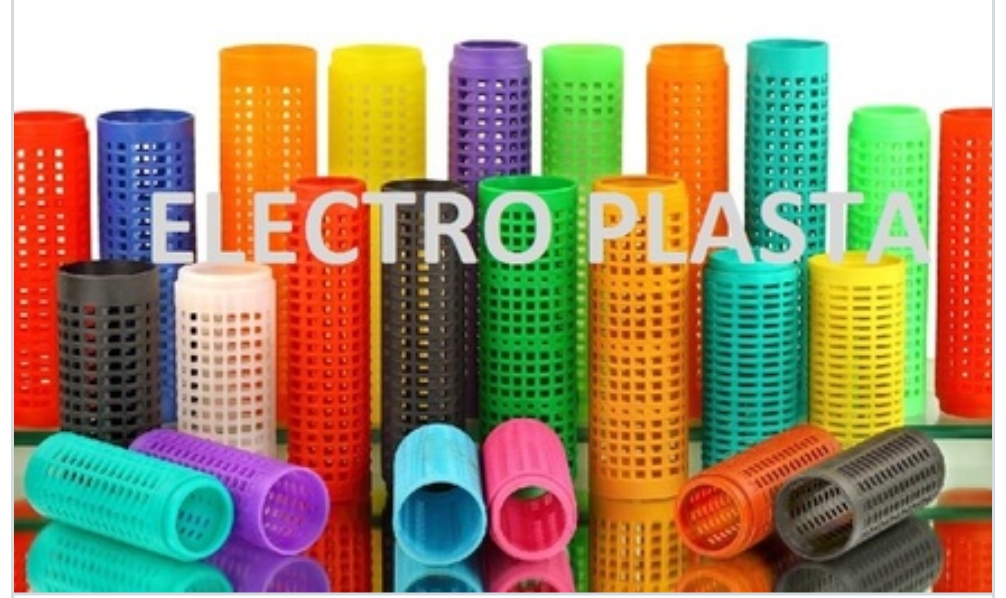
Plastic Dyes are colourants used to impart vibrant and uniform colours to suitable plastic materials. Depending on the polymer and application, solvent dyes and other compatible colourants may be used for plastics, resins and plastic products.
Cosmetic Colorants are colouring ingredients used to impart specific shades to suitable cosmetic and personal care products. Available in different colours and forms, including dyes, pigments and pearlescent colourants, subject to the intended application and regulatory approval.
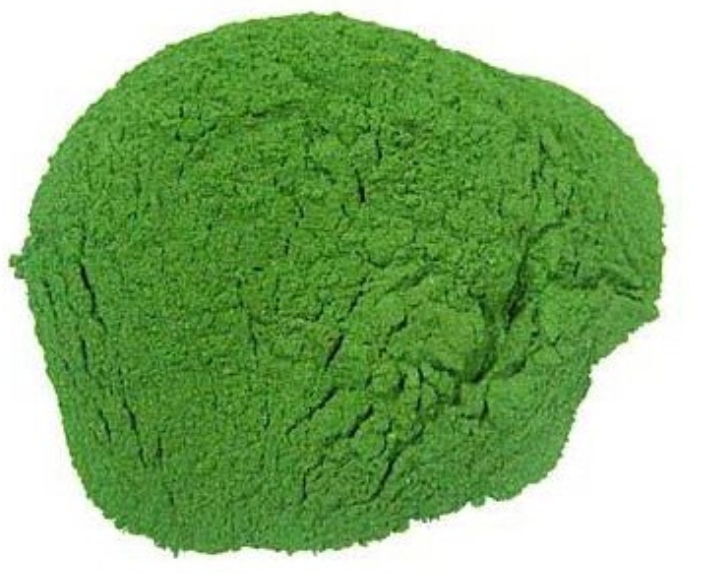
Rhodamine B is a synthetic fluorescent xanthene dye known for its vivid pink to reddish-violet colour. It is used in selected laboratory, analytical and industrial colourant applications, depending on the grade and applicable regulations.
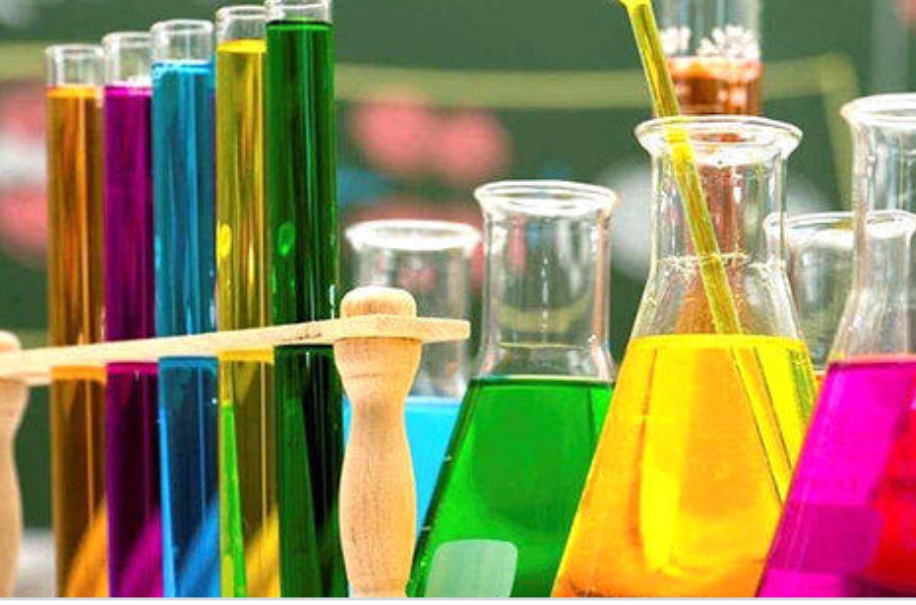
Liquid Dyes are ready-to-use or concentrated colourant formulations designed for suitable industrial colouring applications. Depending on their composition, they may be used in textiles, paper, leather, inks and other compatible materials.
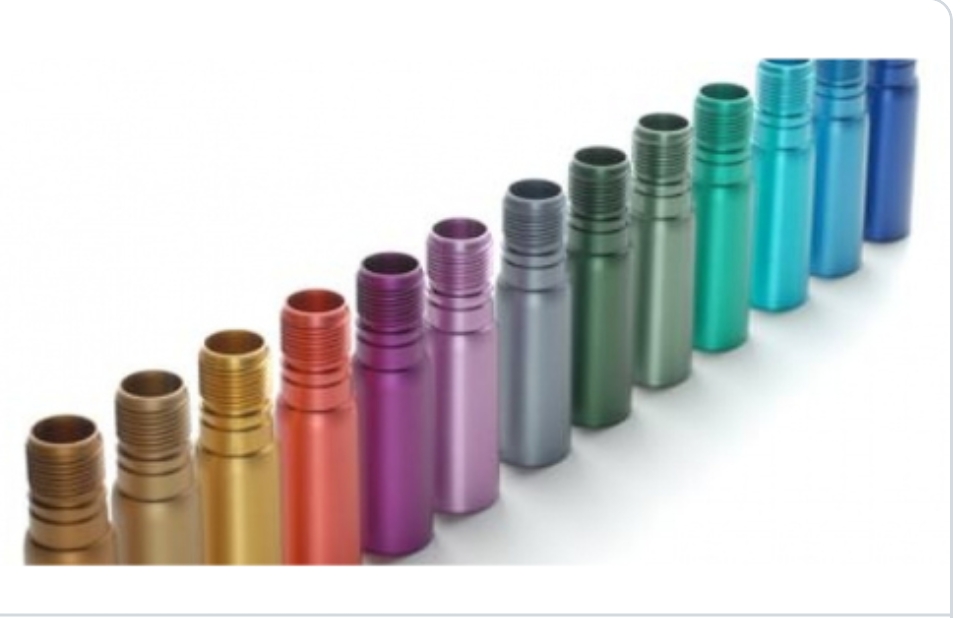
Anodizing Colorants are specialised dyes and colouring agents used to create decorative colours on anodized aluminium surfaces. Available in different shades and formulations, depending on the aluminium alloy, anodizing process and required finish.
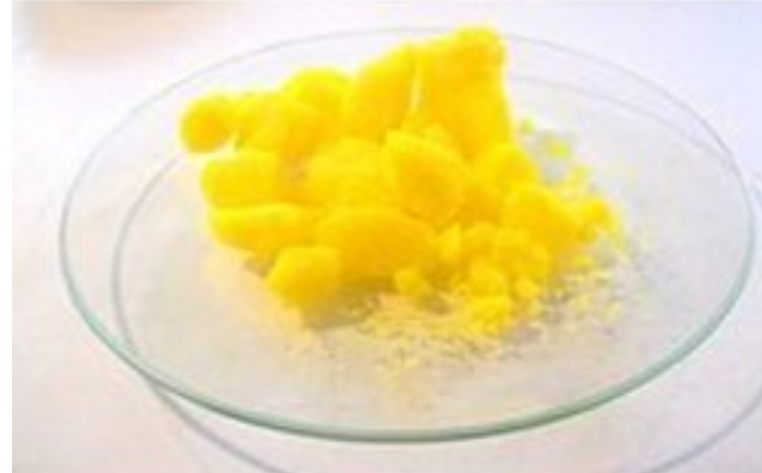
Zinc Tetroxy Chromate is a chromate-based chemical name associated with specialised corrosion-inhibiting pigment applications. Exact chemical identity, composition and intended use must be confirmed before specifying the product.
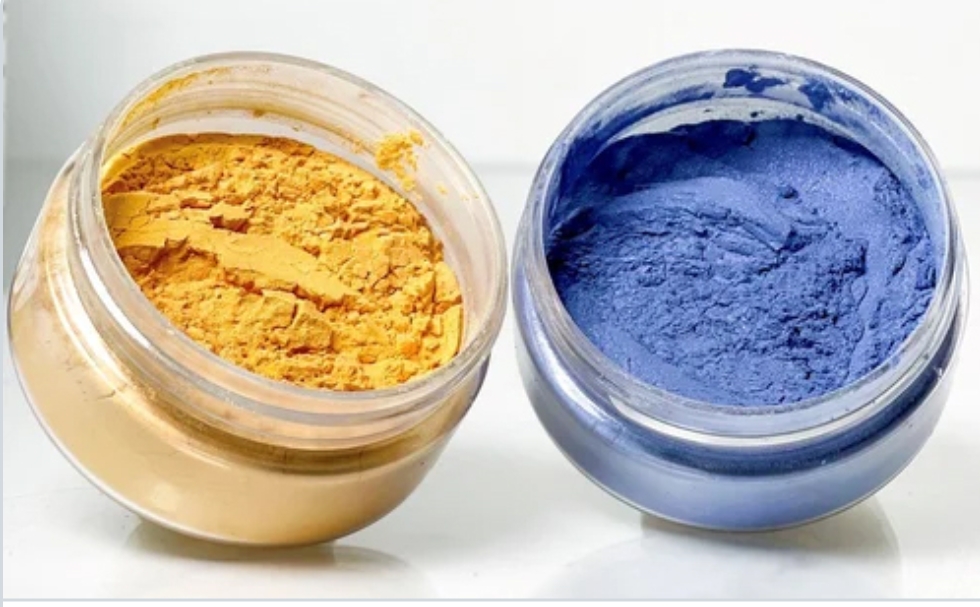
Fabric Dyes are colourants used to add colour to different types of fabrics, including cotton, polyester, wool, silk, nylon and blended textiles. Available in a wide range of colours and dye classes, depending on the fabric composition and dyeing process.
Acid Milling Dyes are water-soluble anionic dyes used primarily for dyeing wool, silk, polyamide and other compatible fibres. They are designed for suitable dyeing processes where colour depth and levelling performance are important, depending on the specific grade.
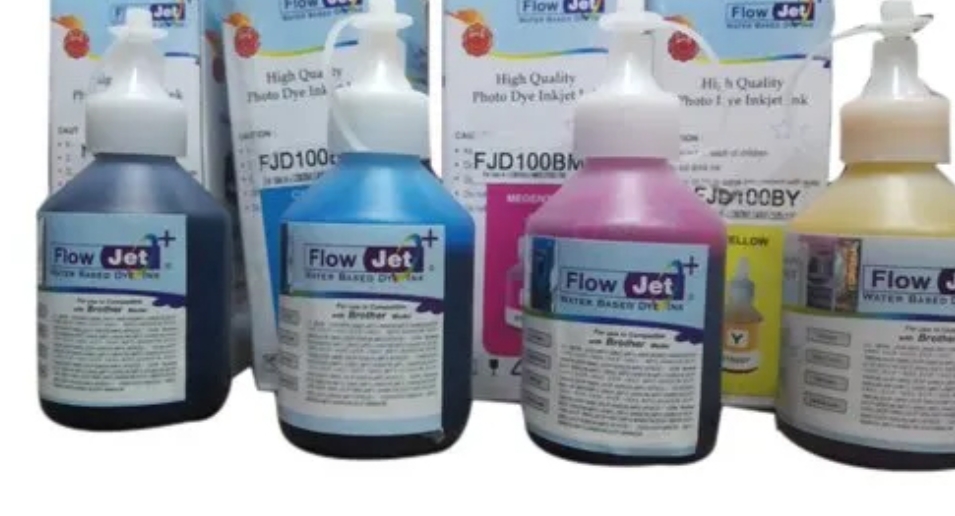
Printing Dyes are colourants used in printing inks and other compatible printing formulations to produce vibrant colours on suitable substrates such as paper, textiles and packaging materials. Available in various colours and commercial grades, depending on the printing application.
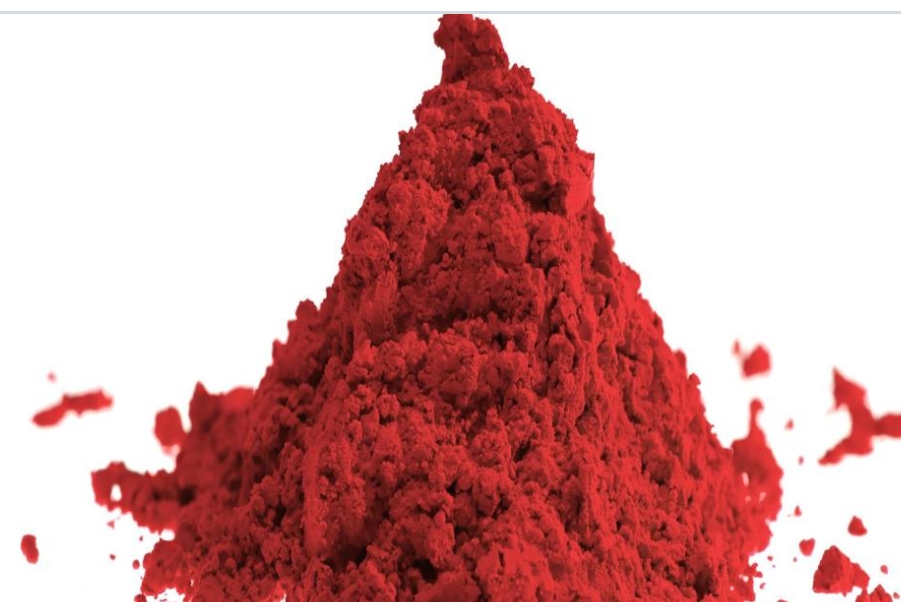
Red Dyes are colourants used to impart red and reddish shades to textiles, paper, leather, plastics, inks and other materials, depending on the specific dye type. Available in a variety of shades and commercial grades for different industrial applications.
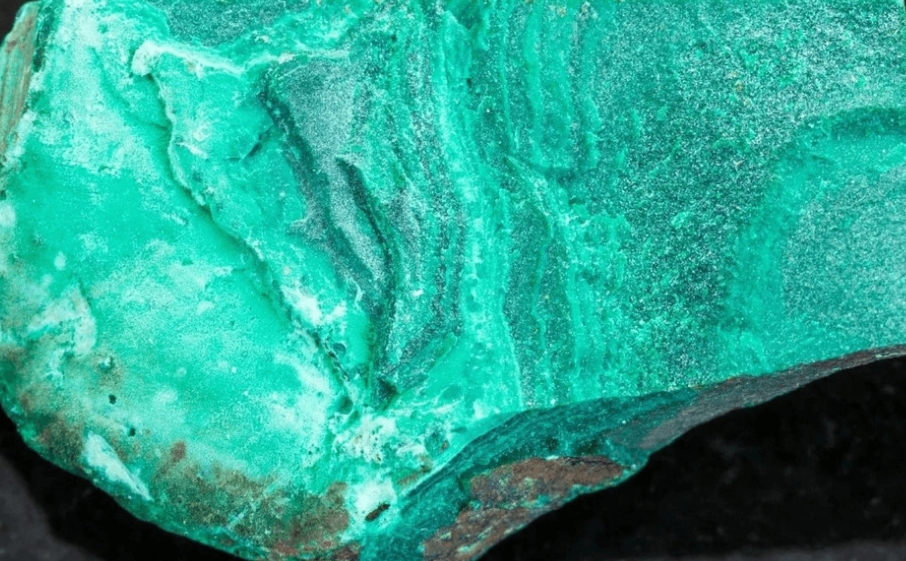
Malachite Green is a synthetic green colourant used in selected laboratory, industrial and technical applications. Product grade, formulation and permitted use must be confirmed before selecting it for a specific application.
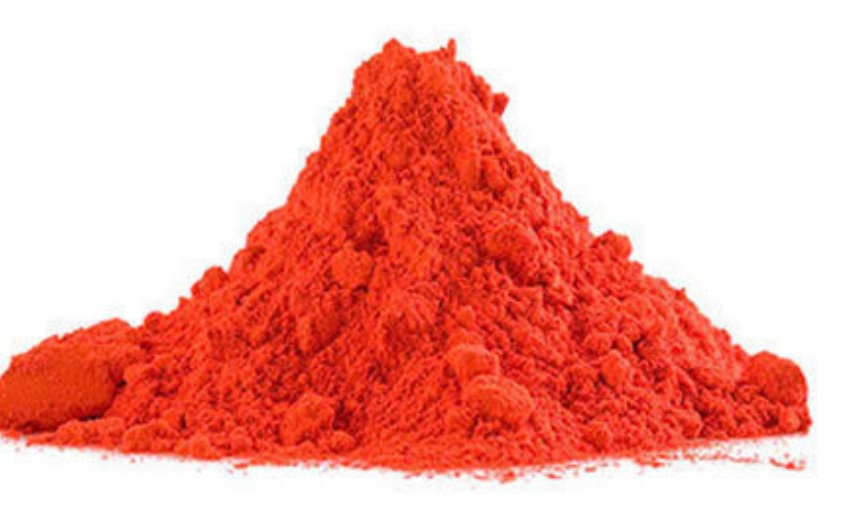
Reactive Red Dyes are water-soluble textile colourants used primarily for dyeing and printing cotton and other suitable cellulosic fibres. Available in a range of red shades and commercial grades for textile applications.
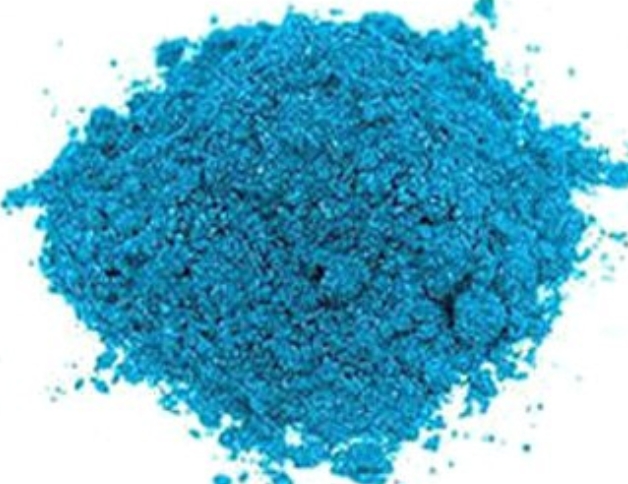
Blue Direct Dyes are water-soluble textile colourants used primarily for dyeing cotton, viscose and other suitable cellulosic fibres. Available in different blue shades and commercial grades for textile and selected paper-colouring applications.
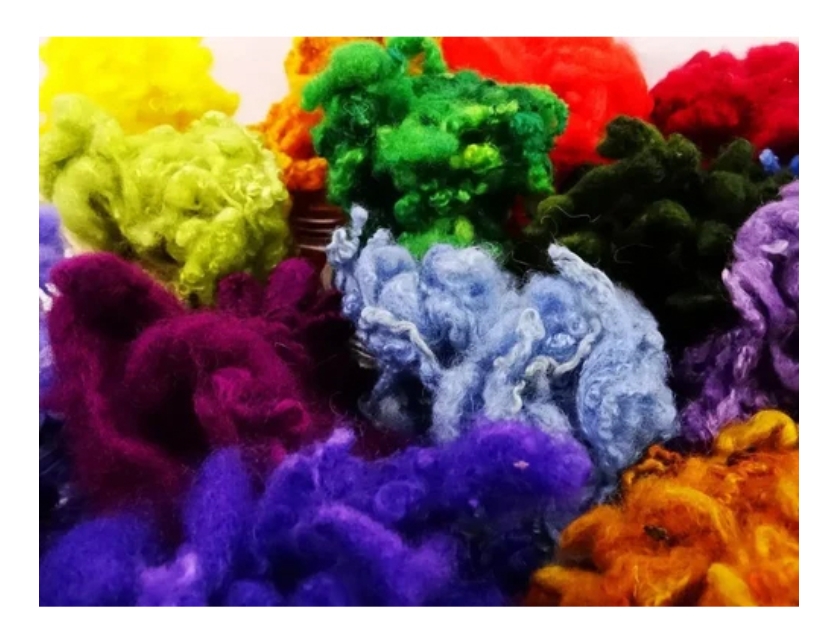
Vinyl Sulfone Dyes are reactive textile dyes commonly used for colouring cotton and other suitable cellulosic fibres. They are available in a variety of colours and commercial grades for textile dyeing and printing applications.
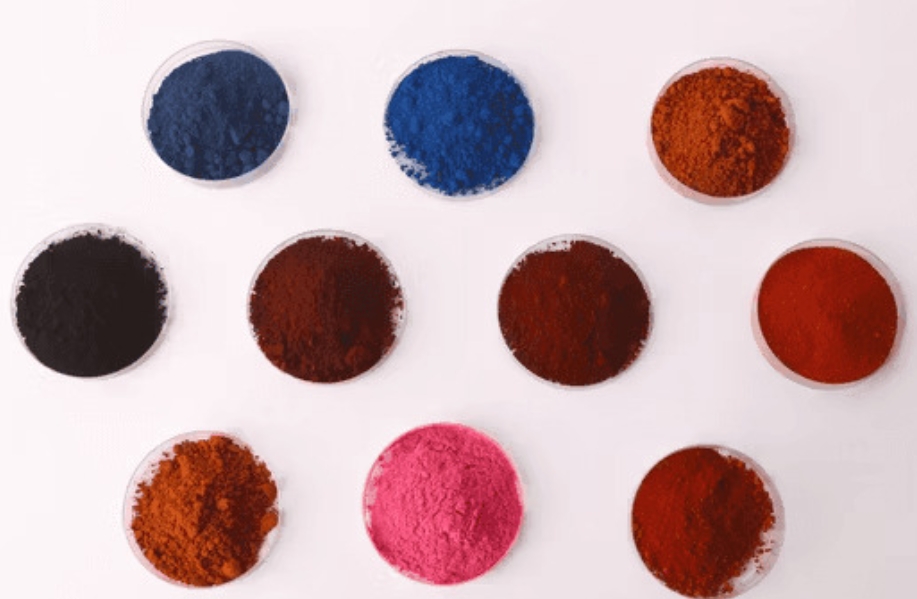
Sulphur Dyes are colourants widely used for dyeing cotton and other suitable cellulosic fibres. They are valued for producing deep shades, particularly black, navy, brown and olive, depending on the specific grade and application.
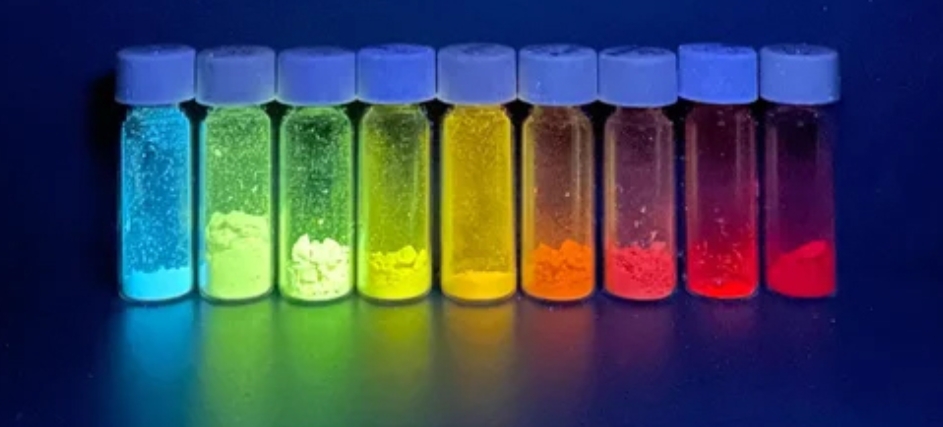
Fluorescent Dyes are colourants that absorb light at particular wavelengths and emit visible light, creating bright and vivid colour effects. Depending on the specific grade, they are used in textiles, inks, plastics, coatings, paper and other specialised applications.
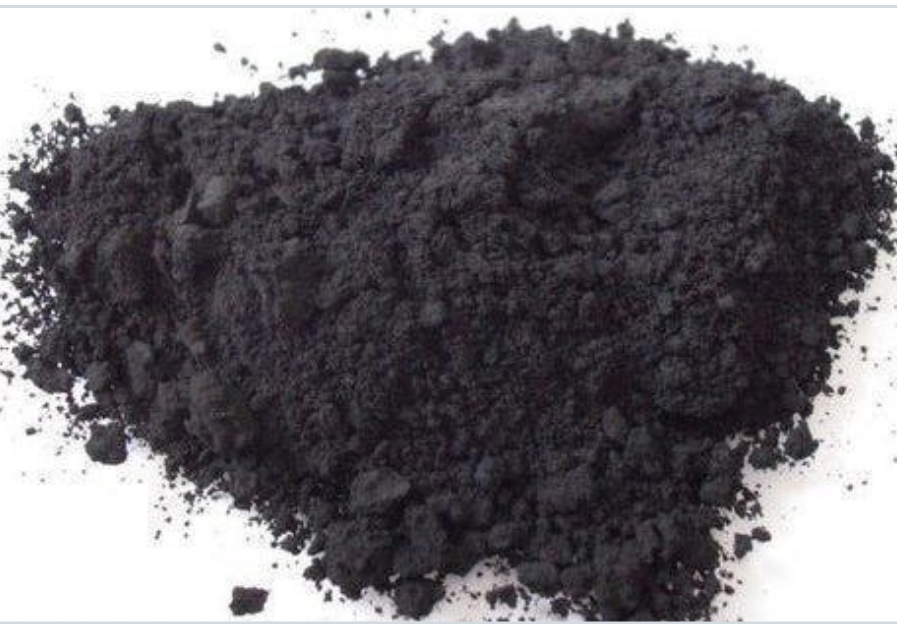
Direct Black Dyes are water-soluble textile colourants used primarily for dyeing cotton and other suitable cellulosic fibres. They are available in different black shades and commercial grades for textile dyeing and related applications.
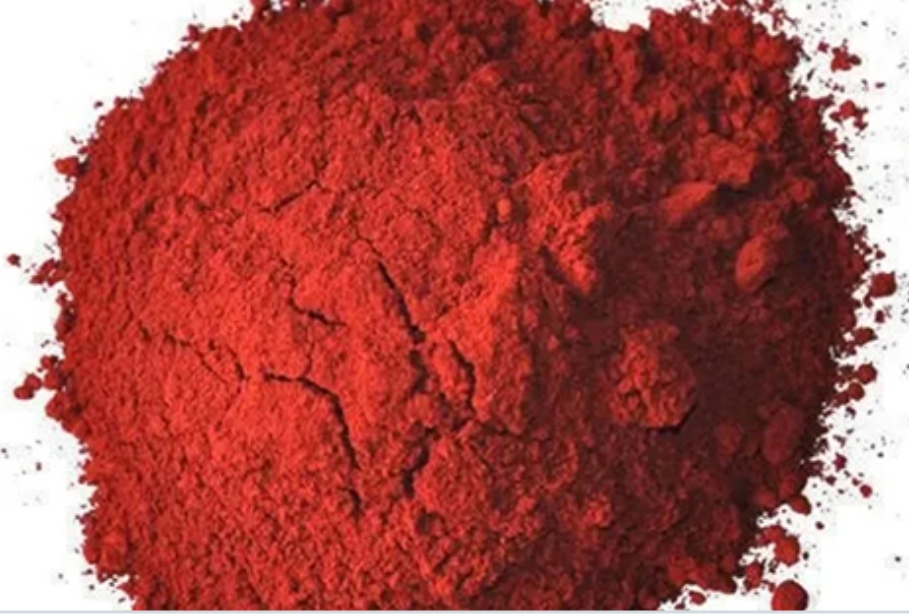
Solvent Red Dyes are colourants designed to dissolve in suitable organic solvents, oils, waxes and compatible industrial media. They are used to produce red and reddish shades in applications such as plastics, inks, coatings and other materials, depending on the specific grade.
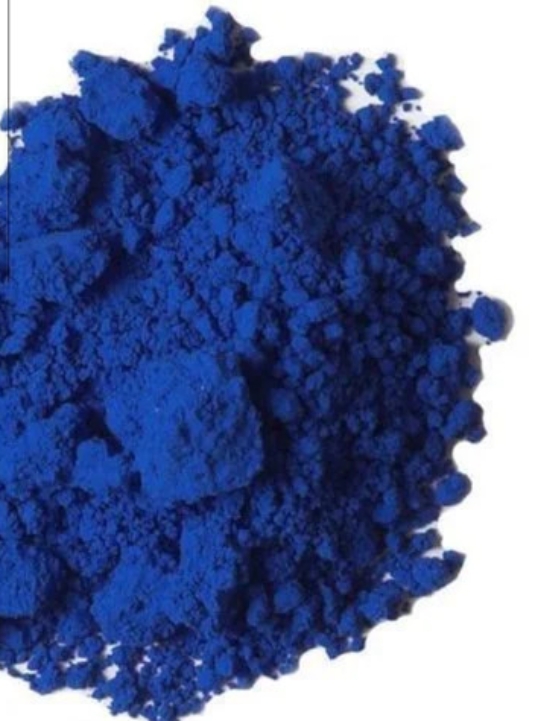
Reactive Blue Dyes are water-soluble textile colourants used to produce blue shades on suitable fibres, especially cotton and other cellulosic materials. Available in different blue shades and commercial grades, depending on the specific dye type.
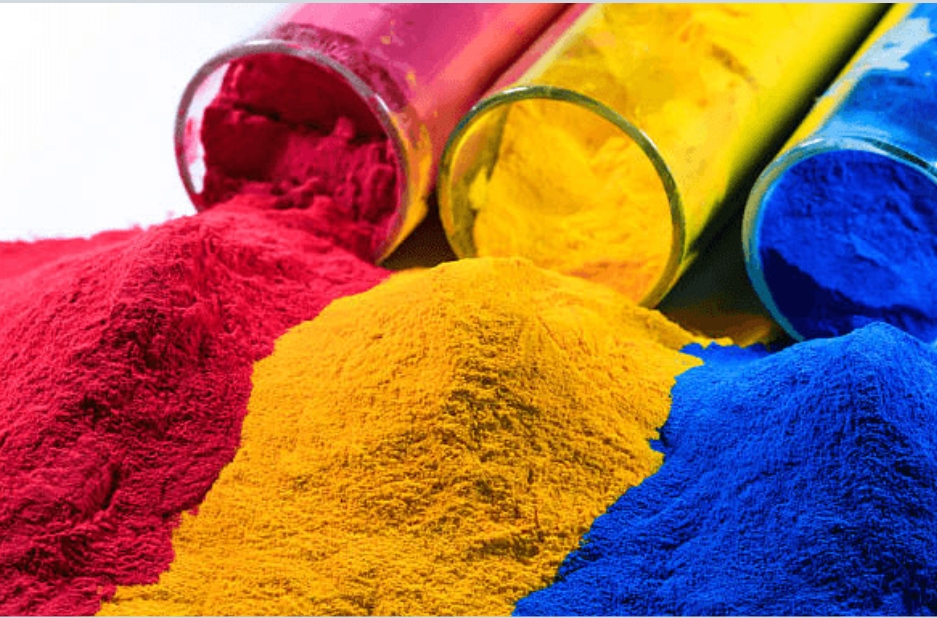
Pigment Dyes are colourants used to impart colour to textiles, paints, coatings, inks, plastics and other compatible materials. Unlike many conventional dyes, pigments are generally insoluble in the application medium and often require a suitable binder or dispersion system.
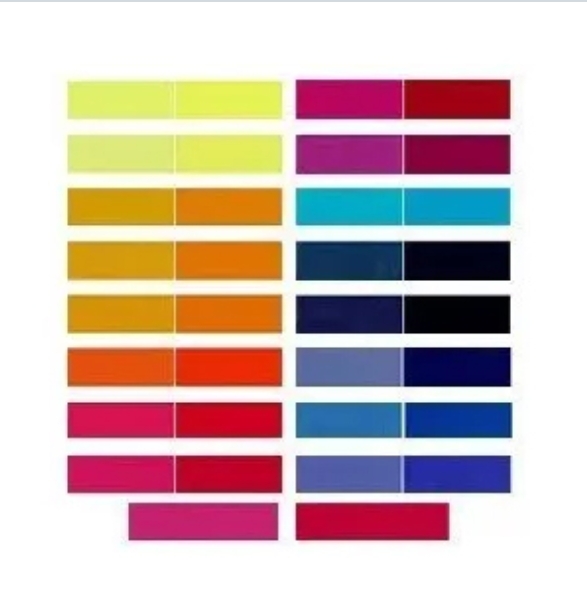
Acrylic Dyes are colourants used for colouring suitable acrylic fibres, textiles and other compatible materials. Available in different colours and commercial grades, with dye selection depending on the fibre type, processing method and required colour performance.
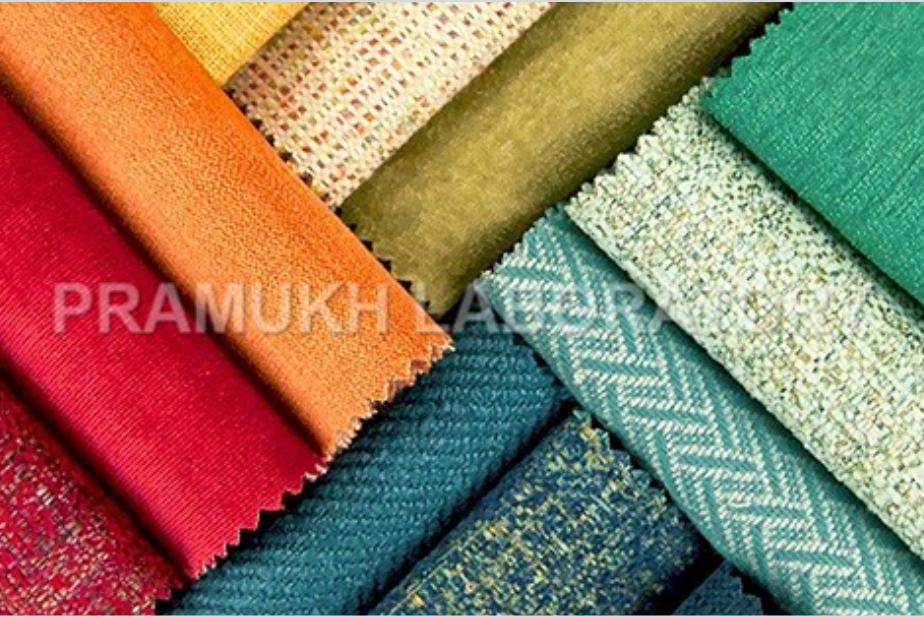
Azo Dyes are a broad class of synthetic colourants characterised by one or more azo groups (-N=N-). They are used in textile, paper, printing, leather and other colouring applications, depending on the specific dye type and grade.
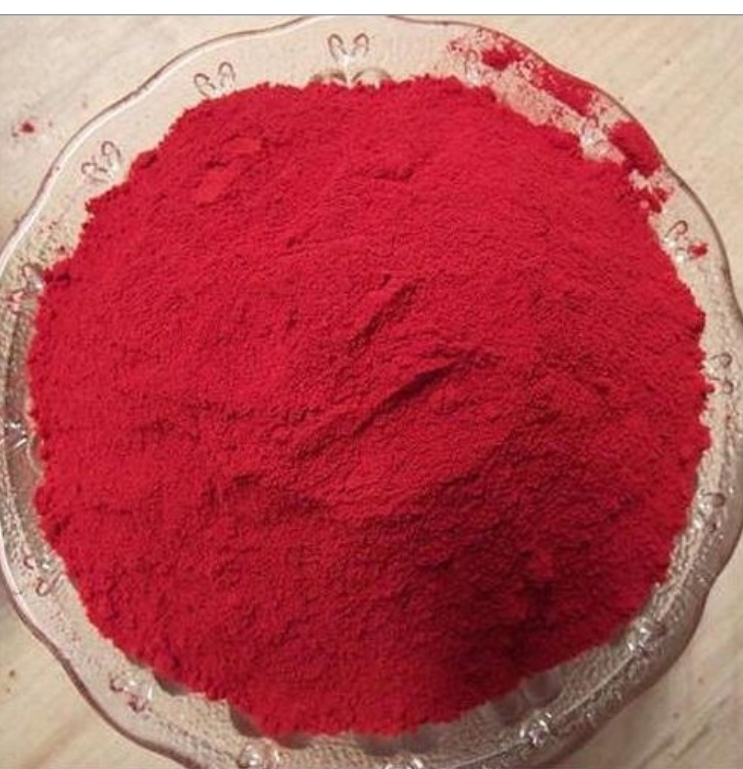
Red Acid Dyes are water-soluble anionic colourants used to produce red and reddish shades on suitable materials, including wool, silk, nylon and leather, depending on the specific dye grade. Available in different shades and commercial formulations.
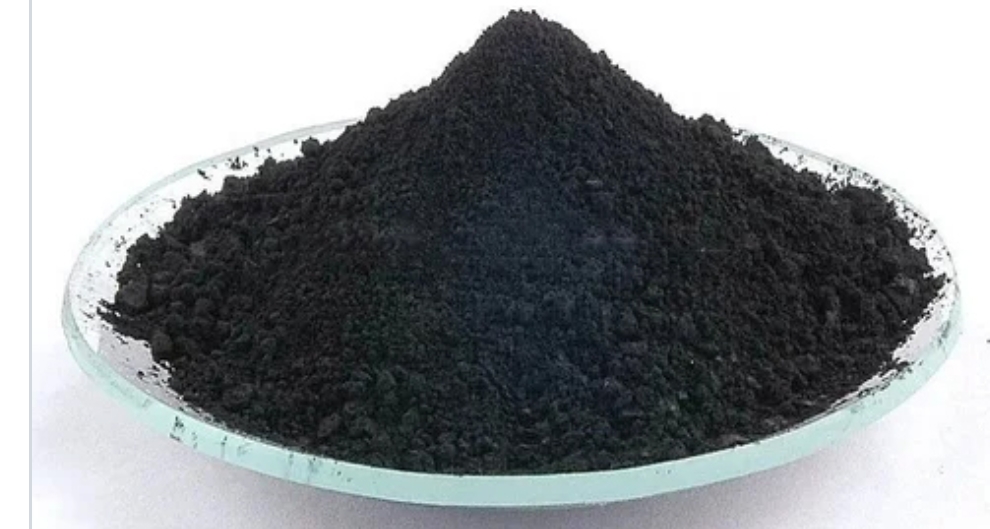
Acid Black Dyes are water-soluble dyes used to colour suitable fibres and materials, including wool, silk, nylon and leather, depending on the specific dye grade. Available in different black shades and commercial formulations.
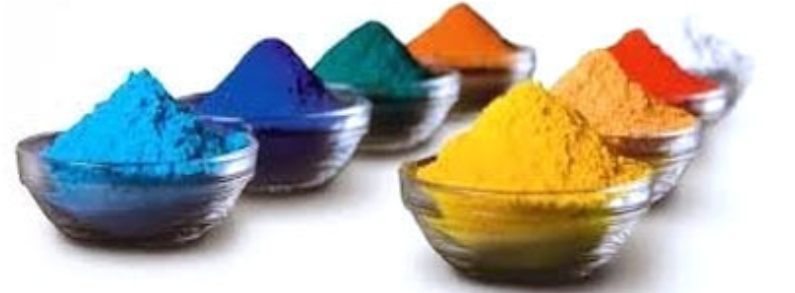
Disperse Dyes are low-water-solubility colorants commonly used for dyeing hydrophobic synthetic fibres, especially polyester. Available in a range of colours, shades and commercial grades, subject to specific product availability.
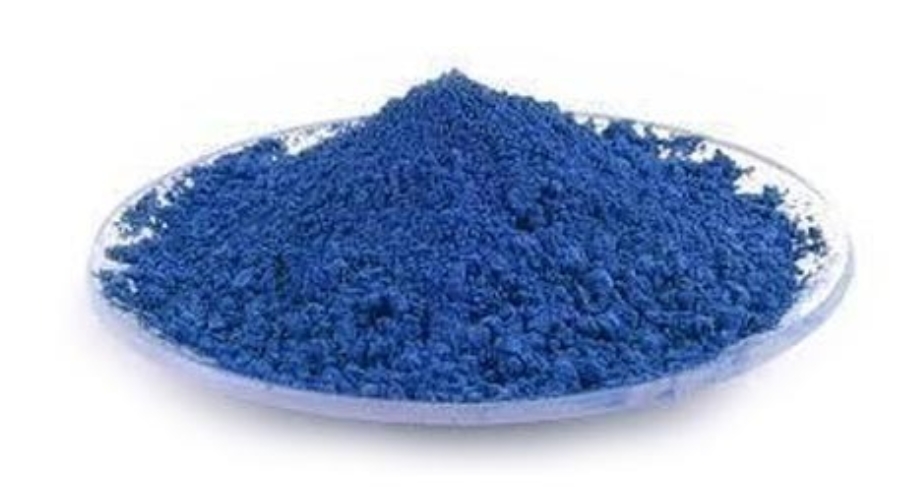
Phthalocyanine Blue is a synthetic organic blue pigment used in suitable paints, printing inks, plastics, coatings and other industrial colouring applications. Different pigment grades and blue variants may be available on request, subject to availability and specification confirmation.
Optical Brighteners, also known as Optical Brightening Agents (OBAs) or Fluorescent Whitening Agents (FWAs), are additives that absorb ultraviolet light and emit blue-violet fluorescence to improve the perceived whiteness or brightness of compatible materials. Different grades are used in textiles, paper, detergents, plastics and other industrial applications, subject to product suitability and availability.
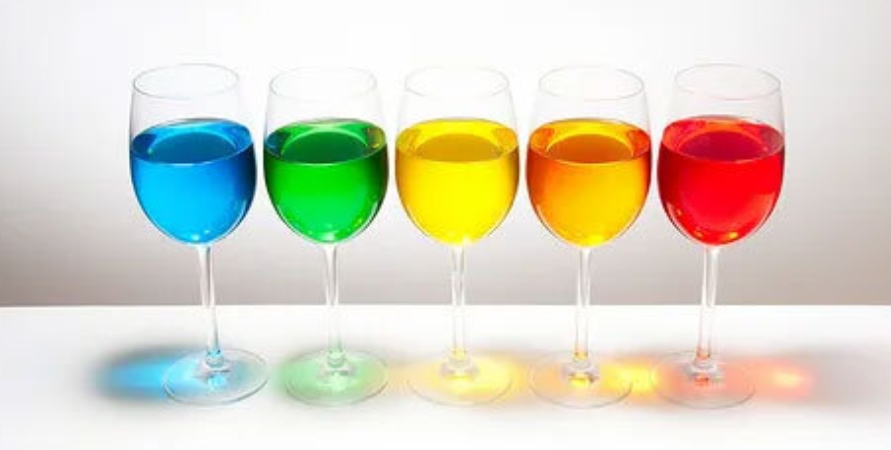
Natural Food Colours are colour ingredients obtained from natural sources such as plants, fruits, vegetables, spices and other permitted natural materials. Available colour options may include Yellow, Red, Orange, Green, Blue, Brown and Purple, subject to availability, food-grade suitability and applicable regulations.
Solvent Dyes are colourants used to colour compatible organic solvents, oils, waxes, plastics, coatings, inks and other industrial materials. Available shades may include Yellow, Red, Blue, Green, Black, Orange, Brown and Violet, subject to product availability and specification confirmation.
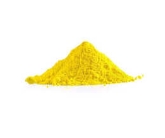
Yellow Dyes are colourants available in different chemical types and commercial grades for suitable textile, leather, paper, ink, plastic and other industrial applications. Options may include Acid Yellow, Direct Yellow, Basic Yellow, Reactive Yellow, Disperse Yellow, Solvent Yellow and other yellow dye variants, subject to availability.
Reactive Dyes are colourants commonly used for dyeing cotton, viscose and other suitable fibres. Available shades may include Yellow, Blue, Red, Green, Black, Orange, Brown, Violet and Turquoise. Multiple grades, strengths and related dye variants may be available on request, subject to availability and specification confirmation.
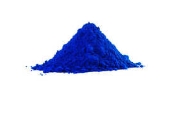
Chemical Dyes are colouring materials supplied in various shades, types and commercial grades for suitable textile, paper, leather, ink, plastic and other industrial applications. Acid Dyes, Direct Dyes, Basic Dyes, Reactive Dyes, Disperse Dyes, Vat Dyes and other dye categories may be available on request, subject to product availability and specification confirmation.
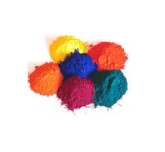
Basic Dyes are colorants used in suitable applications involving paper, acrylic fibres, inks, leather and other compatible materials. Shades may include Yellow, Blue, Red, Green, Black, Orange, Brown, Violet and other colours. Related variants and commercial grades may be available on request, subject to availability.
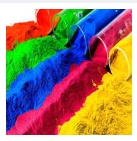
Direct Dyes are industrial colorants commonly used for dyeing cotton, viscose, paper and other compatible materials. Available shades may include Yellow, Blue, Red, Green, Black, Orange, Brown and Violet, with different commercial strengths and related dye variants available on request.
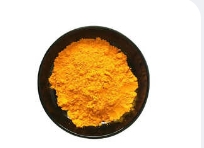
Acid Dyes are industrial colorants available in a wide range of shades, including Yellow, Blue, Red, Green, Black, Orange, Brown and Violet. Multiple grades, dye strengths and related derivatives may be available on request, subject to availability and specification confirmation.